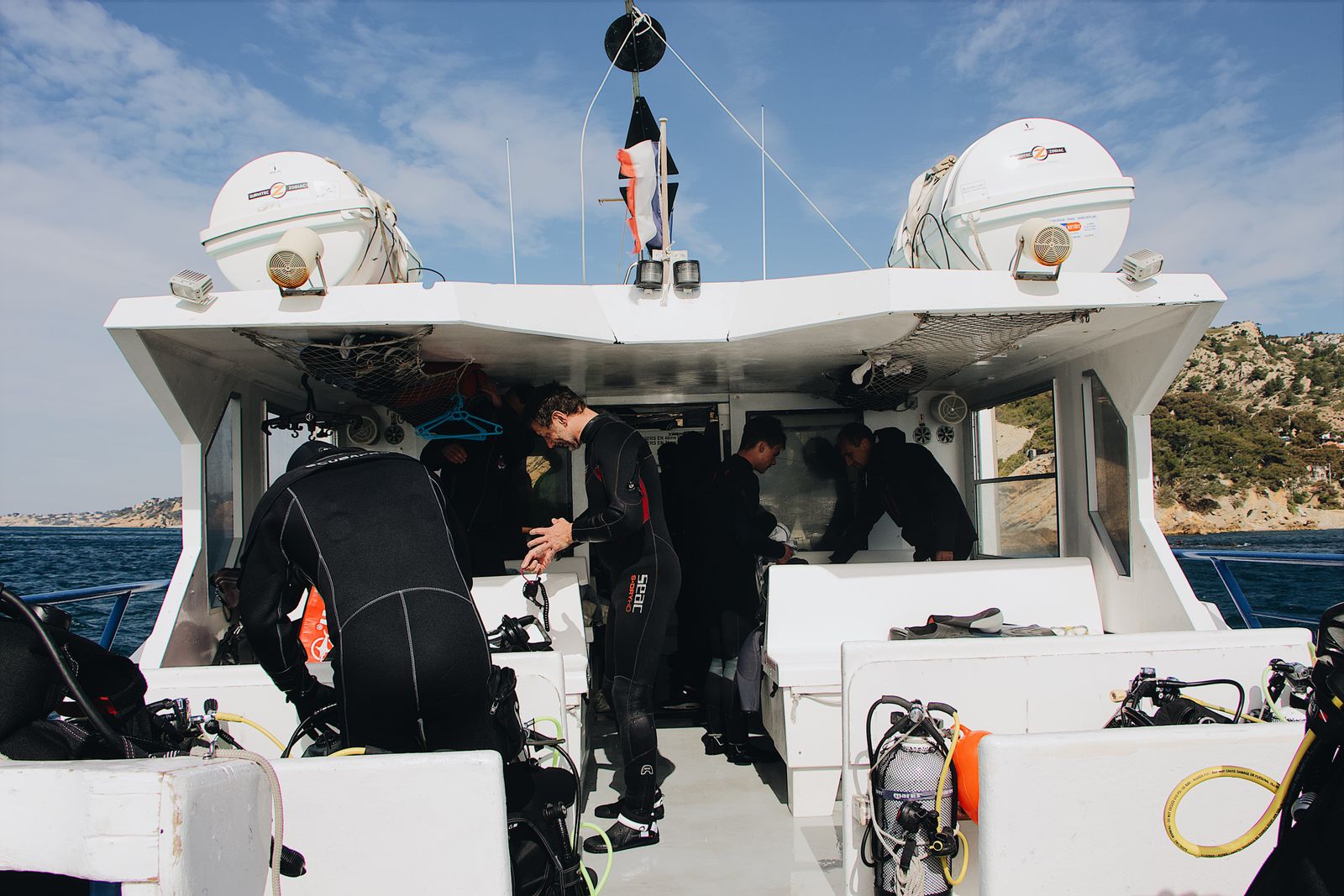
Direct answer: In 2026, a dive center does not need more disconnected software. It needs an execution stack: AI reception to answer and qualify inquiries, a dive center CRM to organize every lead, and follow-up workflows that move divers from question to booking, course, trip, review, referral, and repeat visit. MOLA for Dive Center is built around that practical operating model.
Dive centers are entering a year where growth is less about hype and more about disciplined response. Scuba Diving Industry Magazine describes 2026 as a year that rewards intention, communication, trust, and systems that work in real conditions. That matters because the front desk is no longer just a counter. It is the phone, WhatsApp, web chat, email, Instagram, Google Business messages, and after-hours travel inquiries arriving from people in different time zones.
At the same time, customer service automation is moving into mainstream operations. Salesforce reported in its 2025 State of Service coverage that service teams estimate AI handles about 30% of cases today and expect that to reach 50% by 2027. For a dive center, the point is not to let AI make safety decisions or replace the instructor team. The point is to answer faster, capture clean information, and route the right conversation to the right human before the customer drifts to another operator.
Why dive centers need an execution stack, not just an inbox
A typical dive center already has enough opportunity passing through the business. A traveler asks whether there is a fun dive tomorrow. A local resident asks about Open Water certification. A certified diver wants equipment rental. A family asks about try dives. A group wants a private boat trip. A guest asks a medical or safety-sensitive question. If these conversations sit in separate channels, the owner cannot see the true pipeline.
The 2024 PADI Worldwide Corporate Statistics show the scale of the global diving ecosystem: more than 30 million certifications issued since 1967, 128,000 PADI Professionals, and 6,600 PADI Dive Centers and Resorts operating across 184 countries and territories. Those numbers point to a real market, but they also point to competition. When guests have choices, slow response and weak follow-up become revenue leaks.
A proper dive center execution stack has three jobs. First, it captures the inquiry immediately. Second, it turns the inquiry into structured CRM data. Third, it triggers the next best follow-up, whether that is a course consultation, trip availability message, equipment sizing request, waiver reminder, instructor callback, or review request.
A fast answer is only the first step. The business value appears when the inquiry becomes visible pipeline data and follow-up happens automatically.
What AI reception should handle for a dive center
AI reception for dive centers is strongest when it handles repeatable, practical communication. It can greet the guest, identify whether the inquiry is about a course, fun dive, try dive, rental, boat trip, private group, schedule, pricing, language preference, or location. It can ask for certification level, number of divers, preferred date, contact details, and equipment needs. It can send links, collect context, and create a clean CRM record.
For example, a travel diver might send: “We are two Advanced divers arriving Thursday. Do you have morning dives?” A useful AI receptionist can confirm the request, collect certification level, preferred day, number of divers, equipment rental needs, hotel area, and whether Nitrox is requested. The CRM then shows a trip lead that the team can confirm against actual boat capacity.
A course inquiry needs a different path. The system should collect whether the person is asking about Open Water, Advanced, Rescue, refresher, or specialty training; whether they are a local or a visitor; what dates they can attend; and whether they have medical, swimming, language, or schedule concerns. That gives the scuba school a real course pipeline instead of a pile of half-answered messages.
Safety-sensitive topics require a hard boundary. AI should not clear someone to dive, answer medical fitness questions as if it were a physician, override agency standards, or improvise safety advice. It should collect the question, explain that trained dive staff must review it, and escalate with context. This is where AI reception improves professionalism: it speeds up intake while protecting human judgment.
The safest AI receptionist is not the one that answers everything. It is the one that knows when to stop and involve trained dive staff.
How CRM turns scattered interest into business development
Business development in a dive center depends on visibility. If the owner can see ten Open Water leads, six fun-dive inquiries, three private group requests, four rental leads, and a list of past divers due for reactivation, decisions become clearer. The team can schedule instructors, plan boat capacity, send low-season offers, and follow up with customers who already raised their hands.
This is where a dive center CRM matters. MOLA’s feature page describes a Dive Center CRM & Pipeline designed to show each lead’s status, such as new, booked, paid, and completed. It also describes automated pre- and post-dive messaging, email campaigns, database reactivation, lead capture pages, feedback forms, and an AI Reception Suite with Voice AI and Conversation AI. Together, those features make the CRM more than a contact list. It becomes the operating board for the center.
Consider a low-season week. Without CRM visibility, the owner sees an empty boat and starts discounting late. With visibility, the owner can see which past Advanced divers have not returned, which Open Water students might be ready for Advanced, which travel leads asked about the destination but never booked, and which guests gave positive feedback but were never asked for a review or referral.
A visible pipeline helps a dive shop act earlier: before the boat is empty, before the course lead goes cold, and before a happy guest forgets to leave a review.
Practical setup: what to configure first
Start with the conversations that cost the most money when missed. For many dive centers, that means after-hours course inquiries, next-day fun dive questions, group booking requests, rental questions, and pre-arrival logistics. Do not try to automate every edge case on day one. Build a clear intake path, test it with real examples, and train the team on when AI should hand over.
A strong first setup includes channel routing for phone, WhatsApp, email, and web chat; lead source tracking; pipeline stages; tags for certification level and interest type; staff notifications; escalation rules; and follow-up templates. The goal is to make response faster while giving the team more context, not less.
MOLA for Dive Center is especially useful because the AI reception layer sits alongside the broader operating tools: lead capture pages for offers like Try Dive or Open Water Course, automated waiver and what-to-bring messaging, database reactivation, email campaigns, feedback forms, and CRM dashboards. That means a dive center can connect the customer journey instead of stacking disconnected tools.
What success looks like after 30 days
After the first month, the owner should be able to answer practical questions: How many course inquiries came in? How many became booked students? Which channels produced the best leads? Which boat trips had waitlist demand? How many past divers were reactivated? How many safety-sensitive questions were escalated properly? How many guests received follow-up after the dive?
The best sign is not that the AI “talked a lot.” The best sign is that the dive center missed fewer inquiries, replied faster, kept cleaner CRM records, protected staff from repetitive admin, and gave instructors more complete context before they stepped into a conversation. That is the execution stack working.
If your dive center wants that kind of practical AI reception and CRM system, explore MOLA for Dive Center. The aim is simple: answer faster, organize leads, support bookings, follow up consistently, and keep humans in charge of the conversations that require dive professional judgment.
Sources and further reading
- MOLA for Dive Center features and benefits
- PADI 2024 Worldwide Corporate Statistics
- Salesforce: AI expected to resolve half of service cases by 2027
- Scuba Diving Industry Magazine: 2026 outlook
FAQ: AI reception and CRM for dive centers
What is AI reception for dive centers?
AI reception for dive centers is an AI-assisted front desk that answers common phone, chat, email, and messaging inquiries, captures booking details, creates CRM records, and routes important conversations to staff.
Can an AI receptionist answer scuba safety questions?
It should not give risky safety or medical advice. A properly configured AI receptionist collects context and escalates medical, certification, incident, weather, or limits questions to trained dive professionals.
How does a dive center CRM help bookings?
A dive center CRM turns scattered inquiries into visible pipeline stages such as new lead, qualified, booked, paid, completed, review requested, and repeat opportunity. That makes follow-up and capacity planning easier.
Is AI reception useful for small dive shops?
Yes, especially when the owner or instructor team is busy teaching, guiding, filling tanks, checking gear, or running boat trips. AI reception helps capture inquiries that would otherwise wait or be missed.
What should a dive center automate first?
Start with missed calls, after-hours messages, course inquiries, trip availability questions, rental intake, waiver reminders, post-dive thank-you messages, reviews, and database reactivation.
Does MOLA replace the dive center staff?
No. MOLA supports the team by reducing repetitive admin, organizing CRM data, and improving follow-up. Human staff still handle relationship-building, dive planning, instruction, and safety-sensitive decisions.
