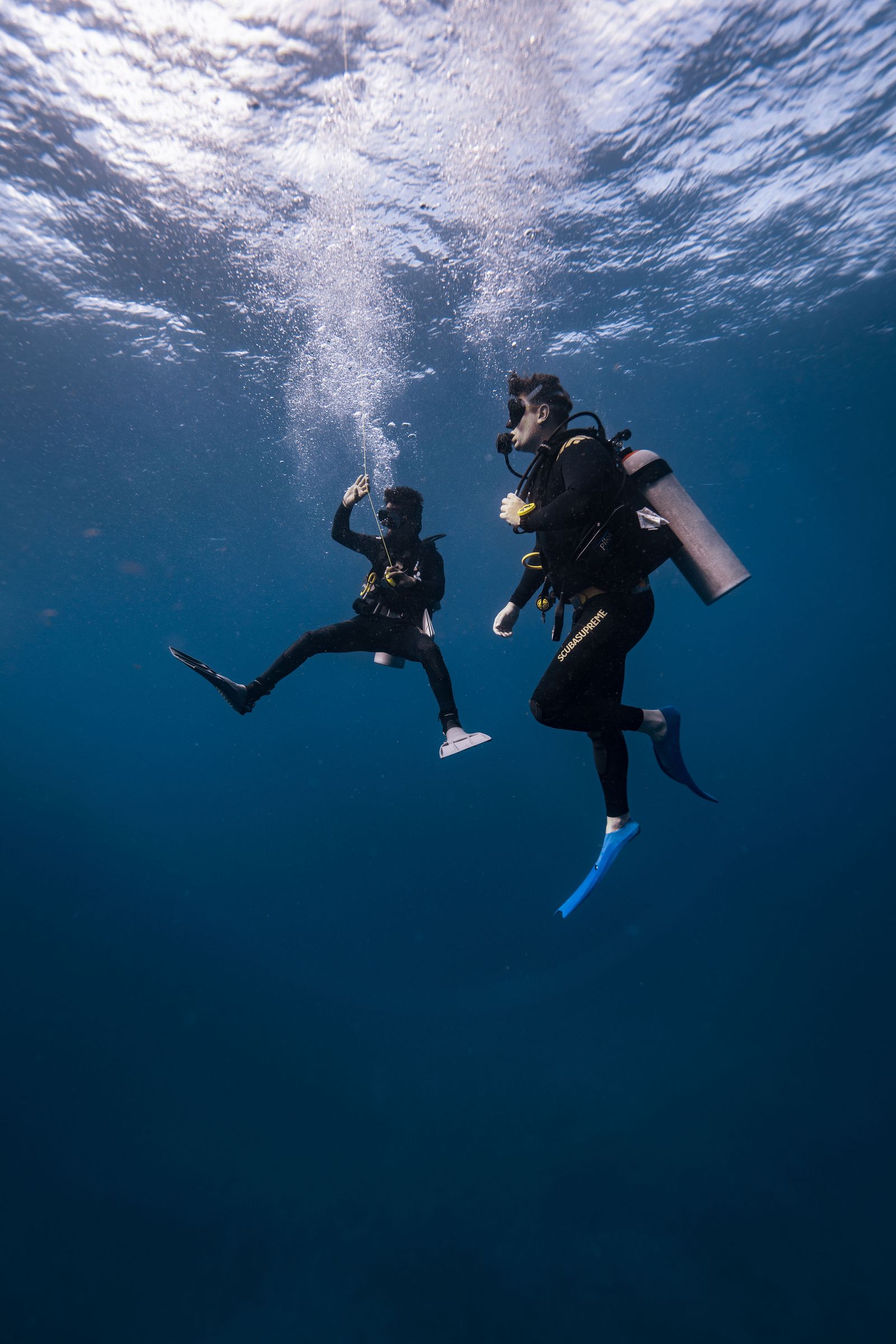
AI reception for dive centers works best when it does more than answer the first message. The real value appears when every WhatsApp, phone, email, form, and social inquiry becomes a structured follow-up loop inside the dive center CRM. That loop helps the team reply fast, qualify the diver, route safety-sensitive questions to trained staff, confirm the next step, and continue the relationship after the course, boat trip, or equipment rental.
This matters because divers now discover and compare experiences across many channels before they book. PADI's 2025 Adventures review notes that travelers increasingly expect low-friction mobile booking and find activities through AI recommendations, search results, Google Maps, social inspiration, and "things to do" platforms. Deloitte's 2026 Travel Industry Outlook also points to generative AI becoming a more important part of travel shopping and demand capture. For a dive shop, that means the first inquiry is often only one moment in a longer buying journey.
MOLA for Dive Center is built around this operational reality: reduce admin work, respond faster, capture leads, organize CRM data, improve follow-up, support bookings, and help the business grow with AI-assisted operations. The practical question is not whether AI should replace the instructor team. It should not. The practical question is how AI reception can keep the customer journey moving while humans remain responsible for judgment, safety, teaching, and hospitality.
What Is a Follow-Up Loop in a Dive Center?
A follow-up loop is the repeatable path from first contact to the next useful action. For a dive center, that path might start with a tourist asking, "Can I try diving tomorrow?" It might be a certified diver asking about a two-tank boat trip, a parent asking whether a teenager can join an Open Water course, or a local diver checking whether rental BCDs are available in a specific size. Without a loop, these conversations sit in separate inboxes and depend on whoever remembers to reply. With a loop, every inquiry is captured, tagged, assigned, and followed until it is booked, paused, declined, or escalated.
The direct answer: an AI receptionist should capture the inquiry, identify intent, ask only the missing operational questions, create or update the CRM record, suggest the next step, and trigger timely follow-up. For safety-sensitive diving topics, it should collect context and escalate to a trained staff member instead of giving risky advice.
Why the First Reply Is No Longer Enough
Speed still matters. A travel diver comparing three local dive centers may book with the operator that replies first with a clear, confident path. But speed alone does not solve the real operational gap. A fast answer that never creates a CRM record, never checks certification level, and never schedules a follow-up can still become lost revenue.
McKinsey's 2026 customer care research describes AI adoption moving from simple efficiency tools toward systems that improve experience, productivity, and revenue when connected to the operating model. Gartner's 2026 customer service survey similarly frames AI and human expertise as working together, with routine tasks automated and humans focused on complex or sensitive interactions. For dive centers, this maps neatly to the front desk: let AI handle repetitive intake and reminders, while instructors and managers handle judgment calls, local conditions, medical forms, training standards, and high-value guest care.
The strongest dive center follow-up loop therefore has four rules. First, every inquiry becomes a CRM contact or update. Second, every contact gets an intent tag such as Discover Scuba, Open Water, fun dives, private guide, rental, group booking, or referral. Third, every tag has a next action. Fourth, the AI receptionist knows where it must stop and hand the conversation to a human.
The Five Loops Every Dive Center Should Build
1. Try Dive to Certification
A holiday guest who asks about a try dive may not be ready to discuss full certification immediately. The AI receptionist can answer basic logistics, collect age, swimming comfort, preferred date, language, hotel area, group size, and any questions for the instructor team. After the Discover Scuba experience, the CRM can trigger a short message: "Would you like the next step toward Open Water certification?" This is not pushy when it is timed well and connected to the guest's actual experience.
2. Course Inquiry to Enrollment
Course leads often stall because they need schedules, prerequisites, eLearning details, pool dates, medical guidance, and equipment information. AI reception can assemble the missing pieces and send a clean summary to staff. If the prospect asks whether a medical condition is safe for diving, the AI should not provide clearance. It should collect the concern, explain that dive safety questions require qualified review, and route the case to a trained professional.
3. Fun Dive to Repeat Trip
Certified divers are often easier to serve but easy to forget after one boat trip. A CRM loop can tag certification level, last dive date, preferred sites, rental needs, nitrox interest, and photography preferences. Follow-up can then invite the diver to a night dive, wreck dive, advanced course, conservation dive, or local diver club event.
4. Group Booking to Operational Checklist
Groups create revenue and admin pressure at the same time. An AI receptionist can capture the leader's details, group size, certification mix, desired dates, hotel pickup needs, equipment sizes, language needs, and deposit status. It can also flag when the mix requires manager review, such as uncertified participants joining certified divers or families with age restrictions.
5. Referral and Review to Community Growth
After a successful course or trip, the CRM should not go silent. A light follow-up can ask for a review, invite a referral, or suggest the next appropriate step. The best timing depends on the guest: a travel diver may need a same-week review link, while a local diver may respond better to a monthly club dive or continuing education offer.
How AI Reception Should Handle Safety and Trust
Diving is not a generic service category. The front desk deals with weather, medical forms, certification limits, age limits, equipment fit, local regulations, boat procedures, and nervous first-time guests. AI reception should be configured with guardrails that make the operation safer and more consistent, not looser.
Good safeguards include clear escalation rules for medical questions, recent illness, pregnancy, medication, panic concerns, junior divers, deep dives, overhead environments, equipment malfunction, missed pre-dive briefings, and any question asking whether someone "can still dive." The AI can collect the facts and explain the next step. It should not diagnose, clear, or override standards.
This is also where CRM data improves service. If the AI receptionist can see that a diver is certified but has not dived in several years, it can suggest a refresher or ask staff to review. If a family wants children on a trip, it can collect ages and route the request to the instructor team. If a diver asks for a rental mask after reporting fit problems on a previous visit, the staff can prepare options before arrival.
Setting Up the Loop Without Overcomplicating the Front Desk
A dive center does not need to automate everything on day one. Start with the three highest-volume inquiry types. For many shops, that is try dives, Open Water courses, and fun dive boat trips. Write the intake questions for each. Decide which answers belong in the CRM. Define the staff owner. Then set the first two follow-up messages: one before booking and one after the activity.
For example, a try dive loop might ask for preferred date, number of guests, swimming comfort, language, hotel area, and whether anyone has a medical concern to discuss with staff. The CRM tags the lead as Discover Scuba, creates a same-day response task if no booking is confirmed, and triggers a post-experience Open Water follow-up. A course loop might track eLearning, pool dates, paperwork, and balance due. A fun dive loop might track certification level, last dive date, rental sizes, nitrox, and site preferences.
Once the basics work, add smarter segmentation. Travel divers need fast confirmation and clear logistics. Local divers need relationship-building and repeat events. Families need age-aware routing. Multilingual guests need language capture. Group leaders need a checklist. The goal is not to make the CRM heavy; it is to make the next action obvious.
Where MOLA Fits
MOLA for Dive Center gives the dive shop a practical AI reception layer connected to customer operations. Instead of leaving inquiries scattered across WhatsApp, email, phone notes, and web forms, MOLA helps the team capture the lead, respond quickly, structure the CRM record, and support follow-up. That helps owner-operators and instructor teams spend less time chasing admin and more time serving divers.
The broader benefit is visibility. Managers can see where course inquiries stall, which trips are filling, which guests need human review, and which past divers should be invited back. That is how AI reception becomes more than a chatbot. It becomes an operating rhythm for lead follow-up, course pipelines, trip occupancy, referral handling, and repeat customer growth.
If your dive center wants faster responses without losing the human care that diving requires, see how MOLA for Dive Center supports AI reception and dive center operations.
FAQ: AI Reception Follow-Up for Dive Centers
Can AI reception replace a dive center front desk?
No. AI reception should handle routine intake, lead capture, reminders, and CRM updates. Human staff should handle training judgment, safety-sensitive questions, guest reassurance, and operational decisions.
What channels should an AI receptionist cover?
Most dive centers should start with the channels where inquiries already arrive: website forms, email, WhatsApp, phone, and social messages. The key is that all channels update the same CRM record.
How does AI reception help course conversion?
It replies quickly, asks the missing questions, tracks eLearning and schedule steps, follows up with stalled leads, and reminds staff when a prospect needs personal help before enrolling.
Should AI answer medical or safety questions?
It should not give medical clearance or risky dive advice. It can collect context, explain that trained staff must review the question, and escalate the conversation with a clear summary.
What CRM tags are useful for a dive shop?
Useful tags include Discover Scuba, Open Water, certified fun diver, refresher needed, rental equipment, nitrox, group booking, local diver, travel diver, language preference, safety review, review request, and referral.
How quickly should a dive center follow up?
Initial replies should be near-immediate when possible. Follow-up timing depends on intent: same day for active booking inquiries, after the dive for reviews and next steps, and monthly or seasonal for local diver reactivation.
