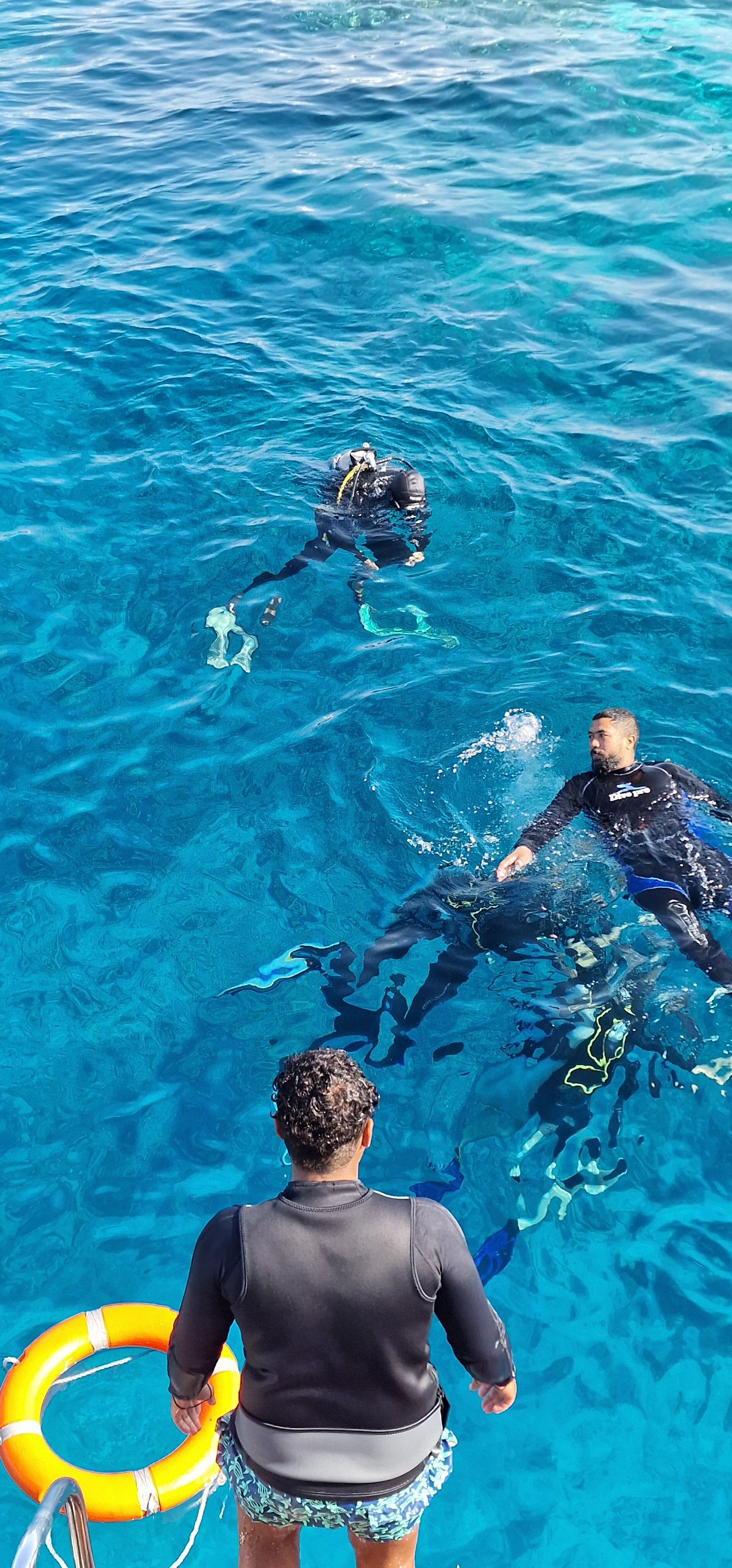
Direct answer: AI reception helps a dive center build a repeat-diver pipeline by answering inquiries quickly, collecting the right booking and safety-context details, placing each guest into a CRM stage, triggering follow-up, and escalating decisions that need trained dive staff. The business value is not just faster replies. It is a clearer path from first question to booked course, completed dive, review, referral, and next trip.
Most dive centers do not lose growth because nobody wants to dive. They lose growth in the gaps between conversations. A tourist asks about a try dive on WhatsApp. A certified diver calls while the team is on the boat. A family asks about Open Water certification by email. A local diver says they might join the next night dive. A happy guest leaves smiling, but nobody asks for a review or invites them back.
MOLA for Dive Center is built around this practical problem: AI reception, missed-call recovery, chat support, CRM pipeline visibility, automated follow-up, booking support, review requests, onboarding, and operations tools for dive shops, scuba schools, resorts, and instructor teams that need to respond faster without turning the business robotic.
Why the Diving Industry Needs Better Follow-Up Systems
Dive centers operate in a travel market where guests compare options quickly and expect useful answers before they commit. Deloitte's 2026 Travel Industry Outlook highlights a travel market shaped by generational change and rising generative AI use in trip planning. That matters for dive operators because a guest may discover local diving through AI search, a social video, a hotel recommendation, or a map result, then contact several operators in the same hour.
The dive industry is also a relationship business. DIVE Magazine reported on a 2025 BCG dive industry study noting the scale and commercial importance of organized dive centers and training agencies, including PADI's large global network of dive centers, resorts, professionals, courses, and certifications. The practical point for independent operators is clear: trust, speed, organization, and repeat engagement are not side projects. They are part of how a dive business compounds.
The CRM Is Where AI Reception Becomes Business Development
An AI receptionist can answer routine questions. A CRM-backed AI receptionist can grow the business because it turns scattered inquiries into structured relationships. For a dive center, the record should not only say "new lead." It should show whether the person is a try-dive prospect, Open Water candidate, certified fun diver, specialty course candidate, equipment rental customer, group organizer, travel diver, local repeat diver, or inactive past customer.
That difference changes the follow-up. A beginner who asks, "Can I dive without certification?" needs a try dive or beginner course path. A certified diver asking about tomorrow's reef trip needs certification, last dive, equipment, payment, pickup, and reminder handling. A local diver who has completed Advanced Open Water may be ready for Rescue Diver, nitrox, night diving, a specialty weekend, or a club trip. The AI receptionist collects the first layer. The CRM stage decides the next action.
For owners, this creates operational visibility. Instead of guessing whether marketing is working, the dive center can see how many course inquiries are new, how many have received options, how many need staff review, how many are payment pending, and how many were lost because nobody followed up. That is business development in plain language.
Use Stages That Match How Dive Centers Actually Sell
A generic sales pipeline is usually too vague for dive operations. A better dive center CRM pipeline has practical stages such as New Inquiry, Needs Details, Staff Review, Option Sent, Payment Pending, Booked, Pre-Arrival Complete, Completed Dive, Review Requested, Repeat Offer Sent, and Dormant Customer Reactivation. These stages work across course inquiries, fun dives, private guides, equipment rental, group bookings, and referral conversations.
AI reception supports those stages by asking for missing fields: preferred date, number of divers, certification level, last dive date, language, equipment rental sizes, course goal, accommodation location, transport needs, and whether anyone has medical, comfort, or experience concerns that staff should review. It can also keep the conversation active with reminders, confirmation messages, and post-dive follow-up.
Safety-Aware Automation Protects Trust
Diving is not a normal appointment business. A front desk workflow has to respect training standards, medical screening, local conditions, equipment fit, age limits, diver comfort, and instructor judgment. Divers Alert Network's safety guidance for dive operators emphasizes expectation management, certification checks, last-dive history, language comprehension, age, experience, comfort in the water, and fitness-to-dive screening.
That is why AI reception should have firm limits. It can collect context, provide standard information approved by the dive center, and alert the team. It should not decide whether a guest is medically fit, whether a diver can exceed their training, whether conditions are suitable for a particular customer, or whether a child or nervous beginner should join a specific boat. For safety-sensitive questions, the correct behavior is: collect the facts, mark the CRM record, and escalate to trained dive staff.
This actually helps staff. Instead of receiving a vague "customer has a question" message, the instructor sees the guest's certification, last dive, requested trip, language, concern, and preferred contact method in one place. Better context makes human decisions faster and cleaner.
Where AI Reception Helps Most in Repeat Revenue
The easiest wins usually come from five follow-up loops. First, unanswered calls and missed chats are recovered with a useful reply and a clear next step. Second, course inquiries receive structured options and reminders instead of disappearing after one price question. Third, booked divers receive pre-arrival messages that reduce counter chaos. Fourth, completed guests receive review requests and photo links while the experience is still fresh. Fifth, past customers receive relevant invitations to return, such as a refresher, specialty course, local fun dive, conservation day, club trip, or seasonal package.
Tourism and hospitality AI adoption is moving in this direction. PwC's 2025 report AI at the heart frames AI's impact around guest experience, operations, data infrastructure, human resources, and channel management, while emphasizing that the future is not replacing the human touch but amplifying it. That is exactly the right lens for dive centers. AI should remove repetitive admin so instructors and owners spend more time on trust, safety, guest experience, and sales conversations that need a person.
A Practical 30-Day Launch Plan
Start with the channels that already create leads: phone, WhatsApp, website forms, email, social DMs, hotel partners, and walk-in QR codes. Define the required CRM fields before writing long automations. For most dive centers, the minimum useful fields are inquiry source, guest type, language, preferred date, number of divers, certification level, last dive, equipment needs, course interest, transport needs, payment status, staff owner, and next follow-up date.
Next, build three AI reception paths: trip bookings, course inquiries, and general support. Add escalation rules for medical questions, junior divers, long gaps since last dive, challenging sites, equipment concerns, weather decisions, refund disputes, and anything involving safety suitability. Then review the CRM every week. Look for leads stuck in payment pending, course prospects who did not choose a date, completed guests who never received a review request, and inactive customers who should be invited back.
Good automation is not "set it and forget it." It is a guided operating system. The owner, manager, and instructor team should know what the AI can answer, what it must never answer, and how handoffs appear in the CRM. That setup keeps the business responsive while preserving the human expertise that makes a dive center trustworthy.
What This Means for Dive Center Owners
If you run a dive shop, scuba school, resort dive center, or instructor-led operation, your database is one of your biggest hidden assets. It contains beginners who almost started, certified divers who could return, group organizers, travel guests, local customers, referral sources, and people who already trusted you once. AI reception makes sure fewer of those relationships go quiet.
MOLA for Dive Center helps connect that front-desk responsiveness with CRM structure, booking support, follow-up, review generation, and operational visibility. The goal is simple: reduce admin work, respond faster, capture more leads, support the instructor team, and grow the business from the conversations already happening around you.
If your dive center wants a clearer repeat-diver pipeline without adding front desk chaos, book a MOLA for Dive Center conversation here.
FAQ: AI Reception and CRM for Dive Center Growth
What is a repeat-diver pipeline?
It is a CRM workflow that moves guests from first inquiry to booking, completed dive, review, referral, and a relevant next offer such as a course, fun dive, club trip, or refresher.
How does AI reception support a dive center CRM?
AI reception captures incoming questions, collects missing details, tags the lead, updates CRM fields, triggers reminders, and escalates staff-sensitive questions to the dive team.
Can AI help with course inquiries?
Yes. AI can explain approved course options, collect student goals, language, dates, group size, and prior experience, then route the lead into a course pipeline for staff follow-up.
Should AI answer diving safety or medical questions?
No. AI should collect context and escalate medical, fitness-to-dive, certification, conditions, equipment, youth, and suitability questions to trained dive professionals.
Which dive center follow-ups are easiest to automate?
Missed-call recovery, course inquiry reminders, payment nudges, pre-arrival checklists, review requests, referral prompts, and past-customer reactivation are strong starting points.
How does MOLA for Dive Center help owners?
MOLA combines AI reception, CRM pipeline visibility, missed-call recovery, booking support, follow-up, review generation, onboarding, and support so dive centers can respond faster and organize growth.
