Coastal Adventure Demand: How AI Reception Helps Dive Centers Capture Water-Ready Travelers
Direct answer: AI reception helps dive centers capture coastal adventure travelers by answering trip and course questions quickly, collecting booking details, logging every inquiry in the dive center CRM, and escalating safety-sensitive issues to trained staff. For a modern scuba school or dive shop, the goal is not to let AI make diving decisions. The goal is to stop losing ready travelers because the phone rang while the boat was out, a WhatsApp message sat unanswered, or a quote was never followed up.
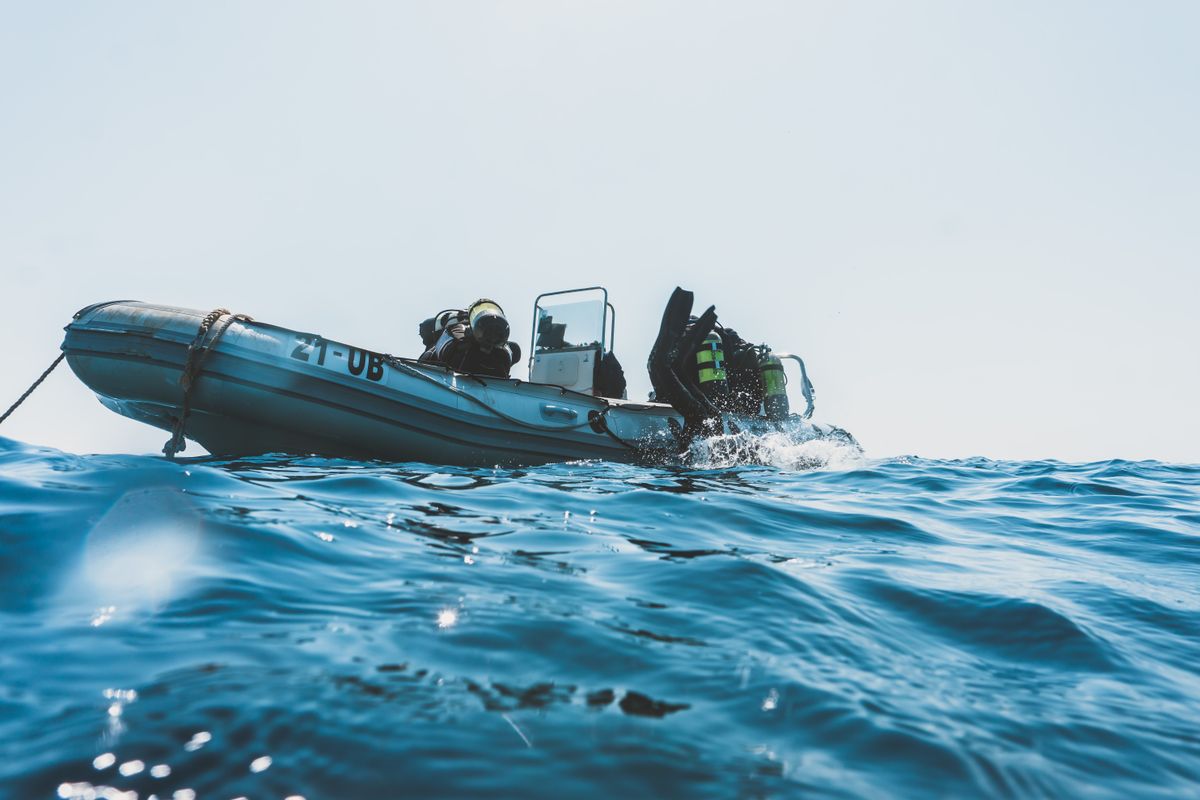
Travelers are actively looking for experiences that feel personal, outdoors, and close to nature. Tripadvisor's 2026 Mid-Year Experiences Trends Report points to strong demand for nature-based and water-related activities, including coastal destinations and on-the-water experiences. That is good news for dive centers, but only if the business can respond at the moment the traveler is ready to ask, compare, and book.
PADI's 2026 guidance on growing a dive business through digital distribution makes the same operational point from a diving perspective: travelers now discover activities through search, maps, marketplaces, social content, and AI-assisted trip planning. Dive centers need to be visible, clear, and bookable. AI reception is the front desk layer that keeps that discovery from turning into an abandoned inquiry.
Why coastal demand still leaks before it becomes revenue
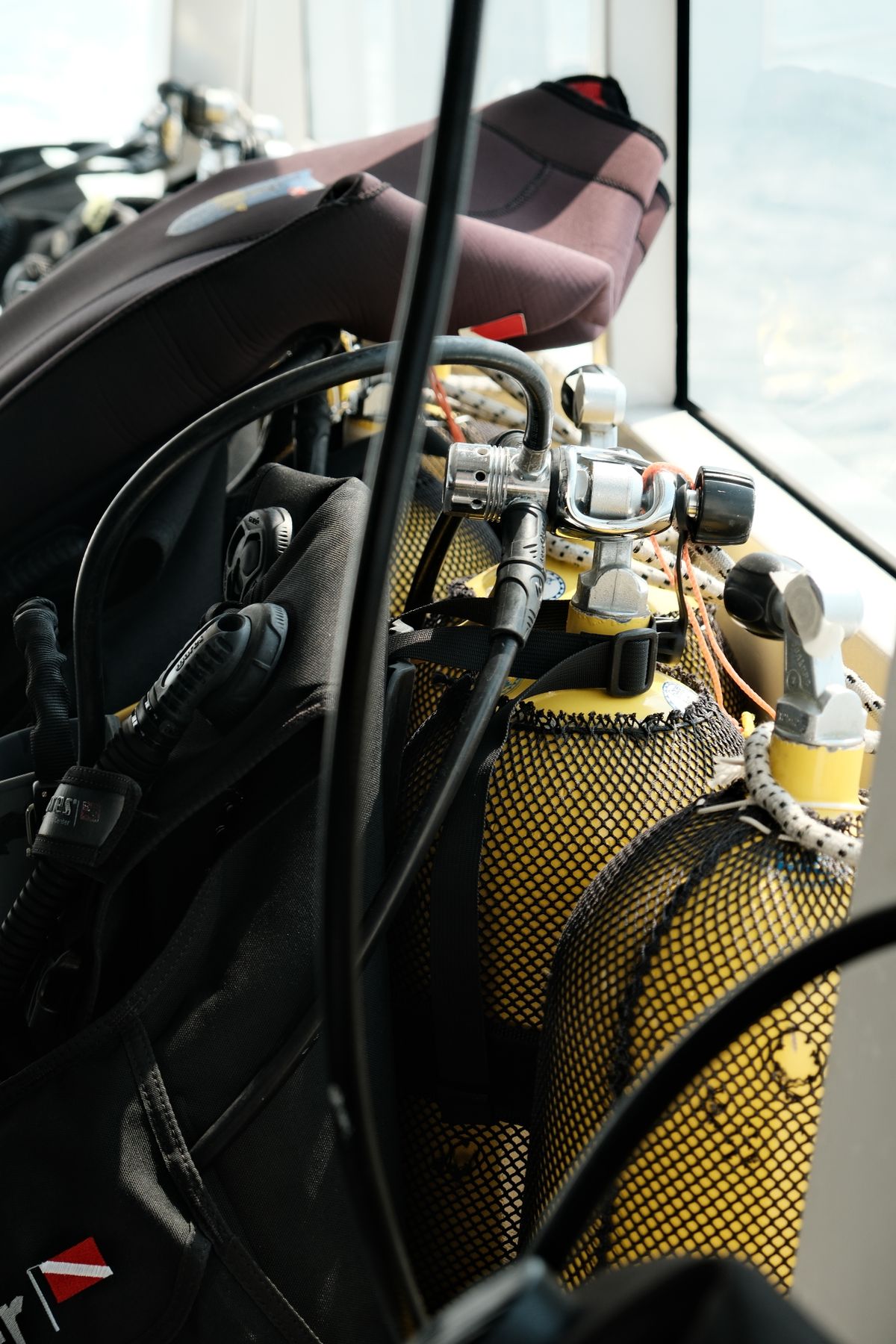
A travel diver may ask about tomorrow's two-tank boat trip while your staff are loading cylinders. A family may ask whether a try dive is suitable for teenagers while the instructor team is in the pool. A certified diver may ask about rental equipment, pickup time, reef conditions, and payment options across three short messages. None of these inquiries looks difficult on its own. The problem is timing, fragmentation, and follow-up.
The more channels a dive center uses, the easier it is for demand to scatter. Phone calls, missed calls, website forms, email, WhatsApp-style messages, Facebook, Instagram, and booking links all create work. If each channel is handled manually, the team has to remember who asked what, who received a quote, who still needs rental sizing, who has not paid, and which question needs a qualified dive professional. That is where an AI receptionist connected to a CRM becomes practical rather than decorative.
What AI reception should answer immediately
The first response should be useful, specific, and within the dive center's rules. AI reception can answer approved questions about schedules, course options, trip types, rental availability, meeting points, language support, payment links, forms, parking, hotel pickup, and what information staff need before confirming. It can also ask the right follow-up questions instead of dumping the guest into a generic contact form.
For example, a guest asking about a reef dive tomorrow can be asked for certification level, last dive date, number of divers, equipment rental needs, preferred language, and whether anyone has medical, age, comfort, or experience questions. A beginner asking about a try dive can be guided toward the right program and told that trained staff will confirm suitability. A group organizer can be asked for date flexibility, participant count, mixed certification levels, non-diver companions, and whether the group needs private guiding.
Where the human handoff matters
Gartner's August 2026 customer service research found that customers expect access to a human when companies use GenAI for support, and that AI works best when it collects information, understands intent, and tries to resolve only when confidence is high (Gartner customer service GenAI survey). That lesson is even more important in diving, because not every customer question is a customer service question. Some are safety questions.
AI should not decide whether a guest is medically fit to dive, whether weather or sea conditions are suitable, whether a diver's experience is enough for a site, or whether a young diver can join a specific trip. It should gather context and escalate. The right design is simple: automate routine intake, flag sensitive issues, and hand the conversation to trained dive staff with a clear summary.
The CRM is where speed becomes control
A fast answer is only the start. The real business value appears when the inquiry is visible inside the dive center CRM. A useful CRM stage might be New Travel Inquiry, Needs Diver Details, Staff Review, Option Sent, Payment Pending, Booked, Forms Pending, Completed, Review Requested, and Repeat Opportunity. Those stages let the owner see what is happening instead of asking the team to reconstruct the week from memory.
MOLA for Dive Center is built for this operating model. It combines AI reception, missed-call rescue, unified inbox handling, CRM and pipeline tracking, automated follow-up, pre- and post-dive messaging, review generation, database reactivation, and guided setup. That matters because a dive center does not need another disconnected chatbot. It needs an AI-assisted front desk that feeds the workflow staff actually use.
What this looks like in daily dive-center work
Imagine a coastal dive shop during a busy week. A traveler asks at 9:40 p.m. whether there is space for two certified divers on a morning boat. AI reception replies with approved availability language, asks for certification level and rental needs, creates a CRM opportunity, and flags the request for staff review because the trip is less than 24 hours away. By morning, the team can confirm quickly instead of starting from zero.
A family asks about a try dive for teenagers. The AI receptionist explains the general program, collects ages and preferred dates, avoids making suitability promises, and sends the conversation to staff. A returning guest asks about Advanced Open Water after a fun dive. The system logs the interest, sends the correct course link, and schedules a follow-up if no reply arrives. A German-speaking traveler asks about pickup and rental sizing. The inquiry is tagged by language and trip date so staff can respond with the right details.
Upwork's 2026 SMB research shows why this kind of focused deployment is sensible: SMB leaders are piloting AI agents most often in customer service, scheduling and administrative support, and data analytics (Upwork State of AI within SMBs 2026). Those are exactly the repetitive, measurable jobs where dive centers feel the pressure first.
A practical launch checklist
Start with the channels where leads are lost most often. For many dive centers that means missed calls, WhatsApp-style messaging, website chat, email, and social messages. Then define the questions AI can answer, the fields it must collect, the words that trigger staff escalation, and the CRM stages that make sense for your actual operation.
Keep the setup small enough that the team will use it. A first version can cover course inquiries, daily boat trips, rental questions, try dives, and follow-up. Add more only after the front desk, instructors, and owner can see cleaner records and fewer missed opportunities. The best system is not the one with the most automations. It is the one that reliably catches demand, helps guests move forward, and keeps staff judgment where it belongs.
Ready to catch more coastal adventure demand?
MOLA helps dive centers answer faster, recover missed calls, organize CRM data, follow up automatically, and keep safety-sensitive conversations with trained dive professionals. If your dive center is seeing more traveler interest but still losing bookings between channels, see how MOLA for Dive Center can support your AI reception and follow-up system.
FAQ: AI reception for coastal dive travelers
Can AI reception help a dive center book more travel divers?
Yes. It can answer routine questions quickly, collect trip details, create CRM opportunities, send links, and trigger follow-up so interested travelers are not lost while staff are teaching, guiding, or away from the front desk.
Should AI decide whether someone is safe to dive?
No. AI should collect context and escalate medical, certification, conditions, youth, and suitability questions to trained dive staff. It should not make safety decisions.
Which channels should a dive center connect first?
Start with missed calls, phone, website chat, WhatsApp-style messages, email, and social inquiries. The priority is to capture the channels where real booking intent already appears.
How does CRM support AI reception?
The CRM turns each inquiry into a visible record with a stage, owner, next action, follow-up rule, and booking history. That is what keeps fast replies from becoming another disconnected message thread.
Is this useful for smaller scuba schools?
Yes. Smaller teams often benefit most because the same people answer phones, teach, guide, fill tanks, handle forms, and manage payments. AI reception reduces repetitive intake and protects follow-up.
