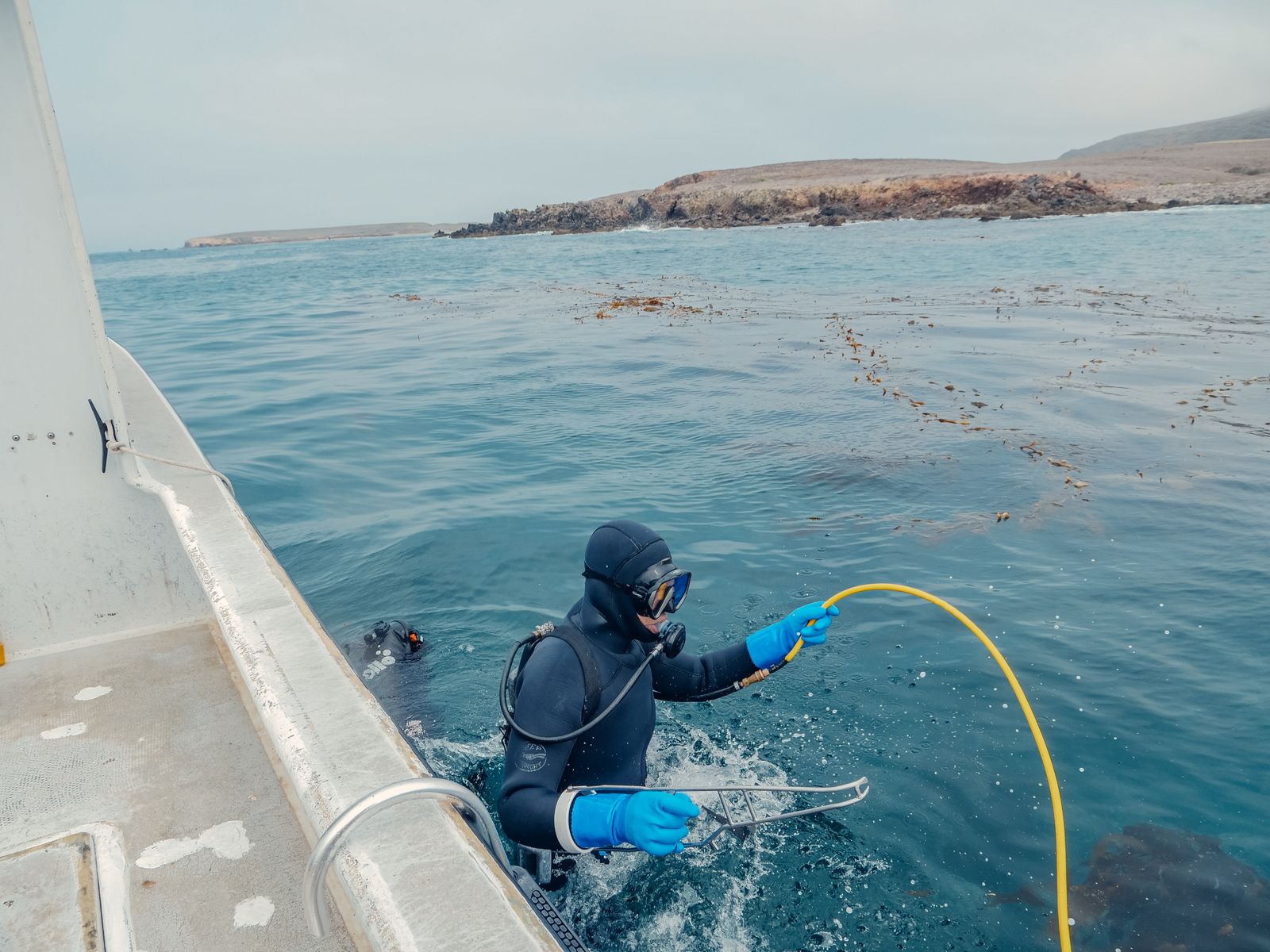
Direct answer: AI reception helps dive centers turn course inquiries into certified divers by answering routine questions quickly, collecting the details staff need, saving every lead in the CRM, and triggering follow-up until the prospect books, pauses, or needs a human decision. For safety-sensitive topics such as medical fitness, certification acceptance, water conditions, children, anxiety, or long inactivity, the AI receptionist should collect context and escalate to trained dive staff instead of giving final advice.
Course inquiries are one of the most valuable front-desk signals in a dive center. A person asking about Open Water, Scuba Diver, Discover Scuba Diving, refresher training, Rescue Diver, or a family course is not only asking for a price. They are deciding whether your scuba school feels organized, safe, responsive, and easy to trust.
That matters because the diving industry is actively pushing more entry-level demand into bookable channels. In February 2026, PADI described new diver growth as critical to the long-term health of the industry and highlighted better digital visibility, booking experiences, and member support for beginner-course listings. At the same time, WTTC's latest economic-impact research shows travel and tourism remains a huge global sector, contributing US$11.6 trillion to global GDP in 2025 and supporting 366 million jobs.
For a dive center, the practical lesson is clear: there is demand, but demand only becomes revenue when inquiries are answered, organized, and followed up. MOLA for Dive Center is built for that operational gap: AI reception for dive shops, scuba schools, dive resorts, and instructor teams that need faster responses without losing human control over instruction and safety.
Why Course Inquiries Need a Pipeline, Not Just a Reply
A typical course inquiry can arrive by phone, WhatsApp, email, website chat, Facebook, Google Business Profile, or a partner booking page. The customer may ask, "How much is Open Water?", "Can my son do a try dive?", "Do I need to know how to swim?", "Can we start tomorrow?", or "I am certified but have not dived for years. Should I take a refresher?"
If staff only answer the first question, the lead remains fragile. The prospect may still need dates, prerequisites, e-learning instructions, equipment information, medical forms, language options, payment details, hotel pickup, family scheduling, or reassurance that a human instructor will review anything safety-related. Without a CRM pipeline, those next steps often live in memory, sticky notes, scattered chat threads, and inboxes.
What MOLA Should Capture From Every Course Lead
The first job of AI reception is not to sell aggressively. It is to make sure the dive center has enough information to respond intelligently. For a scuba school, MOLA can capture the fields that normally decide the next staff action:
- Which course or experience the person is asking about: Discover Scuba Diving, Open Water, Scuba Diver, Advanced, Rescue, refresher, specialty, or private training.
- Preferred start date, travel dates, available days, and whether the customer is local or visiting.
- Number of students, ages, language preference, swimming comfort, and whether it is a family or group booking.
- Previous certification, last dive date, logged-dive confidence, and whether proof of certification is available.
- Questions about medical forms, anxiety, children, equalization, weather, depth, or suitability that should go to a human instructor.
- Preferred channel for follow-up: phone, WhatsApp, SMS, email, or in-person visit.
This changes the staff workflow. Instead of "Someone asked for course prices," the CRM can show: "Three German-speaking travelers want Open Water next week, two adults and one 14-year-old, staying nearby, no prior certification, available Monday to Thursday, asked about medical requirements, WhatsApp confirmed." That is a real lead record.
Development of the Diving Industry Depends on Better Follow-Up
One out of every few dive-center blog topics should step back from the front desk and look at industry development. Course pipelines are where that development becomes visible. A dive center that only handles today’s boat seats may miss tomorrow’s certified diver, referral group, specialty student, and repeat vacation customer.
PADI’s 2026 push around entry-level diver growth and bookable beginner courses points to a broader business reality: new divers need friction removed. They need to find the course, understand the path, ask practical questions, trust the operator, and book before doubt or distraction wins. CRM systems help because they show owners where demand is coming from, which inquiries are stuck, which language groups are growing, which staff member owns the next step, and how many course leads become paying students.
Safety-Aware Escalation Builds Trust
Diving has a duty-of-care layer that normal service businesses do not have. An AI receptionist can be useful, but it must be configured with limits. The system should not decide whether someone is medically fit to dive, whether a child is ready for a specific program, whether sea conditions are appropriate for a nervous beginner, or whether a diver with a long break can skip a refresher.
Divers Alert Network describes medical assistance services for divers, dive professionals, and health care providers, including emergency assistance and medical information. Dive centers can take the same safety-aware mindset into AI reception: collect facts, do not improvise risky answers, and hand off to qualified people.
Example: A New Diver Asks at 9:30 p.m.
Imagine a traveler sends a WhatsApp message after dinner: "Can I do Open Water next week? I have three days, and my partner wants to join but is nervous." A slow reply can lose the booking. A rushed reply can miss important context.
With MOLA, the AI receptionist can respond immediately, explain that the instructor team will confirm the final plan, and collect the essentials: dates, number of students, swimming comfort, ages, language, previous experience, medical-form questions, accommodation area, and preferred contact method. The CRM then tags the lead as "Open Water inquiry," assigns a human review task, and starts a polite follow-up sequence if the customer does not respond.
The next morning, staff do not open a blank chat. They see the customer context, urgency, possible concerns, and proposed next action. That saves admin time and gives the customer a smoother experience.
How to Launch This Without Overcomplicating the Dive Center
Start with one pipeline: course inquiries. Define the inquiry categories, required fields, escalation rules, staff owners, and follow-up timing. Then add related workflows such as dive trip bookings, equipment rental, multilingual travel inquiries, review requests, and repeat-diver reactivation.
For most dive centers, the first win is not advanced automation. It is simply making sure no valuable course lead is missed, forgotten, or left unanswered for too long. The system should feel practical to the owner, useful to staff, and human to the customer.
Want to see how AI reception and CRM follow-up could work for your dive shop, scuba school, or dive resort? Visit MOLA for Dive Center and book a practical look at the system.
FAQ: AI Reception and Dive Course Inquiries
Can AI reception help sell scuba courses?
Yes. It can answer routine questions, capture the customer's intent, collect required details, save the lead in the CRM, and trigger follow-up. It should support the sales process without replacing instructor judgment.
Should AI decide which course a diver should take?
No. AI can explain general course paths and collect context, but final course placement should remain with trained dive staff, especially when age, medical history, confidence, experience, or local conditions matter.
How does a CRM improve course conversion?
A CRM makes each inquiry visible, assigns ownership, tracks follow-up stages, records source and language, and helps staff see which leads need review, reminders, payment links, or scheduling support.
Can MOLA handle multilingual course inquiries?
MOLA is designed for real dive-center inquiry patterns, including travel divers and multilingual guests. It can capture language preference and route the conversation so staff can respond more effectively.
What should happen with medical or safety questions?
The AI receptionist should not give final medical or safety decisions. It should acknowledge the question, collect context, and escalate the lead to an instructor, manager, or other qualified dive professional.
