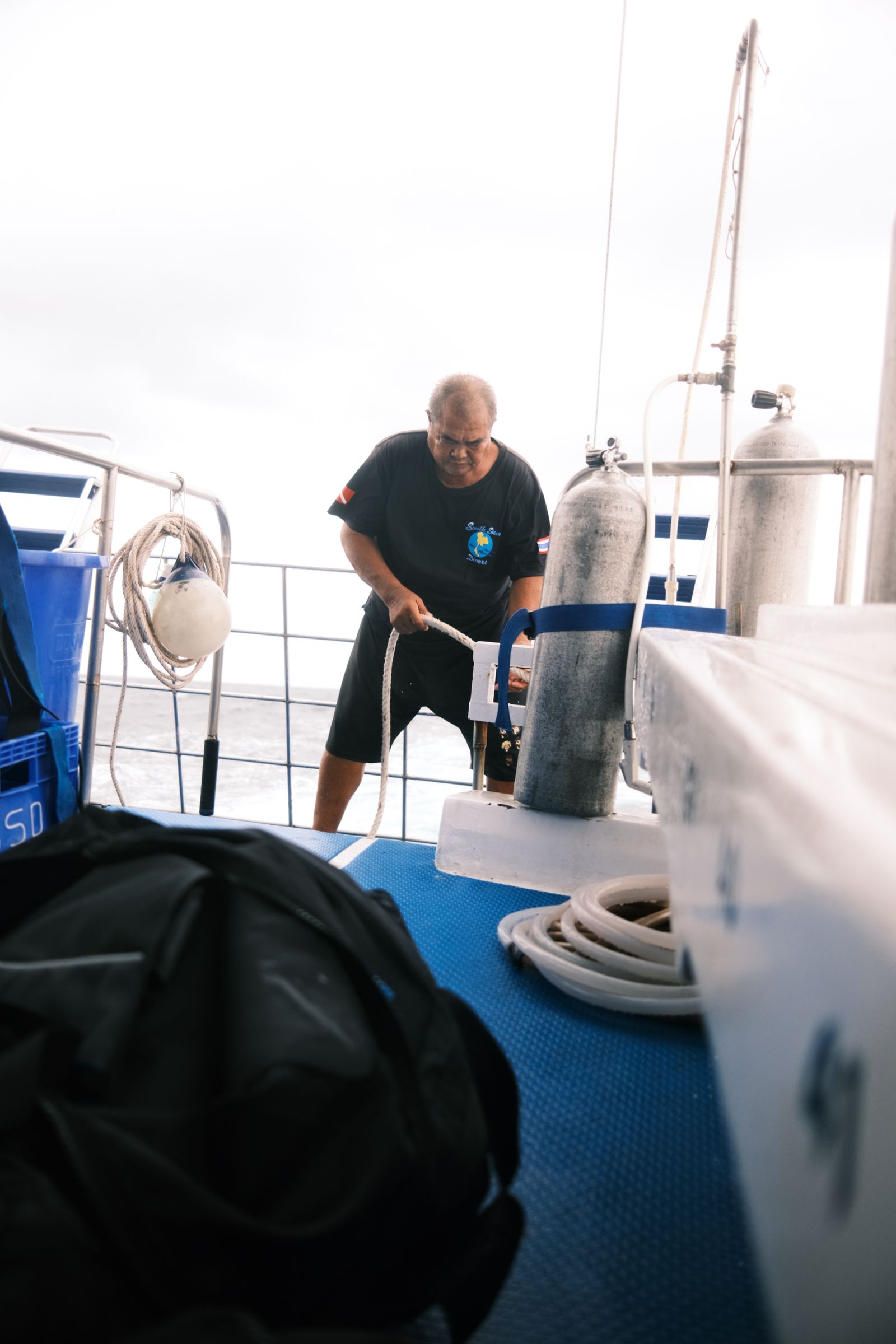
Direct answer: AI reception helps a dive center grow when every phone call, WhatsApp message, email, web chat, and form inquiry becomes a visible CRM record with a clear next step. Instead of relying on memory, sticky notes, or scattered inboxes, the owner can see which course inquiries need follow-up, which boat-trip leads are close to booking, which past divers should be reactivated, and which conversations need a human handoff.
Most dive centers do not lose revenue because nobody cares. They lose it because the team is underwater, on the boat, filling tanks, teaching confined water skills, managing rental gear, or handling guests at the counter when the next inquiry arrives. By the time the team checks the phone, the travel diver may have booked another operator. The family asking about a try dive may have gone quiet. The certified diver who wanted two fun dives may never be added to a pipeline.
This is where MOLA for Dive Center is especially useful. MOLA combines AI reception, a unified inbox, missed-call rescue, booking follow-up, database reactivation, and a dive center CRM pipeline. The AI receptionist is not there to replace the instructor team. It is there to capture the conversation, ask the right operational questions, create structure in the CRM, and hand staff a cleaner decision.
Why visibility matters for the modern dive industry
The diving industry sits inside a travel market that keeps growing, but growth does not automatically become bookings for a local dive center. WTTC reported in May 2026 that global Travel and Tourism is forecast to contribute $12 trillion to the world economy in 2026 and support 376 million jobs, while also highlighting the role of digital innovation and AI in traveler experience and operational efficiency. For dive shops, that means opportunity is still there, but customers expect faster answers and cleaner digital service.
PADI also frames its member support around connecting divers with PADI Dive Centers and Resorts, business growth, and consumer trust. That is important because many dive centers already have demand signals around them: course interest, repeat divers, referrals, hotel guests, liveaboard add-ons, multilingual travelers, and local customers who would come back if someone followed up. The weak point is often not demand. It is pipeline visibility.
The owner problem: busy but unclear
A dive center can look busy and still be flying blind. The boat may be full today, but next week's trip list is thin. The Open Water course has three interested students, but nobody knows whether they received the schedule. A family asked about a multilingual try dive, but the thread is buried in WhatsApp. A past Advanced Open Water student would probably join a specialty course, but the database has never been segmented.
CRM visibility fixes this by turning conversations into stages. A lead is not simply "someone who messaged us." A lead can be New Inquiry, Qualified, Course Options Sent, Waiting for Date, Staff Review Needed, Booking Link Sent, Paid, Completed, Review Requested, or Reactivation Candidate. Once those stages are visible, the owner can manage the business instead of guessing.
What AI reception should collect before staff steps in
For a course inquiry, AI reception can ask for the student's preferred dates, language, number of students, swimming comfort, previous experience, and whether they are looking for Open Water, Advanced, Rescue, specialty training, or a refresher. For a boat-trip inquiry, it can collect certification level, last dive date, number of logged dives, rental gear needs, group size, preferred site type, hotel location, and transport questions. For a family or group booking, it can separate divers, snorkelers, children, non-diving guests, and private charter interest.
The point is not to interrogate the guest. The point is to make the first response useful and make the staff handoff cleaner. A short, friendly AI reception flow can save the instructor team from asking the same five questions every time and can prevent leads from sitting unqualified until the next day.
AI agents are becoming normal customer-service infrastructure
Salesforce's 2026 research on AI service agents found adoption among customer service organizations rose from 39% in 2025 to 66% in 2026, and 70% of organizations using AI service agents reported measurable value within 60 days. The same research notes that customer satisfaction ranked as the top improved KPI after deployment. For a dive center, that lesson is practical: speed and structure can improve the guest experience when the AI is designed around clear jobs and human escalation.
That last part matters. AI reception should not make medical judgments, guarantee dive-site suitability, or replace an instructor's decision. It should collect context, answer routine operational questions, and route safety-sensitive items to trained staff. The commercial value comes from fast capture and clean handoff, not from letting software pretend to be a divemaster.
Four pipeline views every dive center owner should watch
1. Course pipeline
Track Open Water, Advanced, Rescue, refresher, specialty, and professional-level inquiries separately. A beginner asking about dates needs different follow-up from a certified diver asking about Nitrox or deep diving. AI reception can tag the interest type, send the right next step, and remind staff when a course lead has not replied.
2. Trip occupancy pipeline
Boat trips are perishable inventory. Empty spaces tomorrow cannot be sold next week. The CRM should show which divers are interested in reefs, wrecks, night dives, private charters, local fun dives, or hotel pickup. When occupancy is low, the team can trigger a targeted offer instead of sending one generic email to everyone.
3. Safety and staff-review pipeline
Some conversations need a human before they move forward. This includes medical questions, long gaps since the last dive, nervous beginners, mixed-experience groups, children, unusual equipment needs, and weather worries. AI reception should collect details and flag the thread. It should not provide risky advice or clear someone to dive.
4. Reactivation pipeline
Past customers are a hidden asset. A diver who completed Open Water last season may be ready for Advanced. A family that enjoyed a try dive may return for a course. A local diver who has not booked in six months may respond to a weekend trip. MOLA's database reactivation and campaign tools help turn that old contact list into visible opportunities.
A practical weekly operating rhythm
Once AI reception and CRM stages are connected, the owner can run a simple weekly review. First, check new leads by source: calls, WhatsApp, website chat, email, forms, and social messages. Second, review all leads stuck longer than 48 hours. Third, inspect course interest by date and language. Fourth, look at trip occupancy for the next 14 days. Fifth, assign staff-review items before they become urgent. Sixth, choose one reactivation segment, such as past Open Water students, inactive local divers, or previous hotel guests.
This rhythm turns CRM from "software we have" into a management habit. It also helps staff trust the system. Instructors do not need another dashboard for the sake of it. They need fewer repeated questions, better context before a call, and clear alerts when a guest needs real human attention.
Where AI should stop and humans should lead
Good automation has boundaries. AI reception can collect a medical concern, but it should not decide fitness to dive. It can gather certification and last-dive information, but it should not guarantee a challenging dive site is appropriate. It can explain that weather updates are monitored, but it should not promise conditions before the operation confirms them. It can recommend that a staff member reviews a mixed-experience group, but it should not overrule the instructor team.
Those safeguards make the system more trustworthy, not less. Guests get a fast response, and staff still own the decisions that require training, local knowledge, and professional judgment.
What MOLA adds for dive centers
MOLA is built around the operational reality of a dive center. The AI Reception Suite answers routine questions and captures leads around the clock. The unified inbox and missed-call rescue help stop inquiries from disappearing when the team is away from the counter. The CRM pipeline shows lead status, payment status, bookings, and follow-up. Automated pre- and post-dive messaging can send reminders, location details, what-to-bring notes, thank-you messages, review requests, and reactivation offers.
The result is not a colder business. It is a more responsive one. Divers still meet real people on the boat, in the classroom, and at the dive center. The difference is that the business does not lose the conversation before that relationship begins.
If you want to see how AI reception, CRM visibility, missed-call rescue, and follow-up can work together for a dive shop, scuba school, or dive resort, book the MOLA for Dive Center demo here.
FAQ: AI reception and CRM visibility for dive centers
What is CRM visibility for a dive center?
CRM visibility means the owner and team can see every active inquiry, booking opportunity, course lead, staff-review item, past customer segment, and follow-up task in one organized system.
How does AI reception improve a dive center CRM?
AI reception captures inquiries from calls, chat, WhatsApp, email, forms, and social messages, asks basic qualifying questions, applies tags, and moves the lead into the right CRM stage.
Can AI reception help fill dive trips?
Yes. It can capture trip interest after hours, qualify divers, record dates and equipment needs, send booking links, and trigger follow-up when a lead has not booked.
Should AI handle medical or safety questions?
No. It should collect context and escalate to trained dive staff. AI should not diagnose symptoms, clear guests to dive, or make final decisions about site suitability.
What should a dive center automate first?
Start with missed-call rescue, common FAQs, lead capture, booking reminders, and simple CRM stages. Add reactivation and more advanced workflows after the team trusts the basics.
