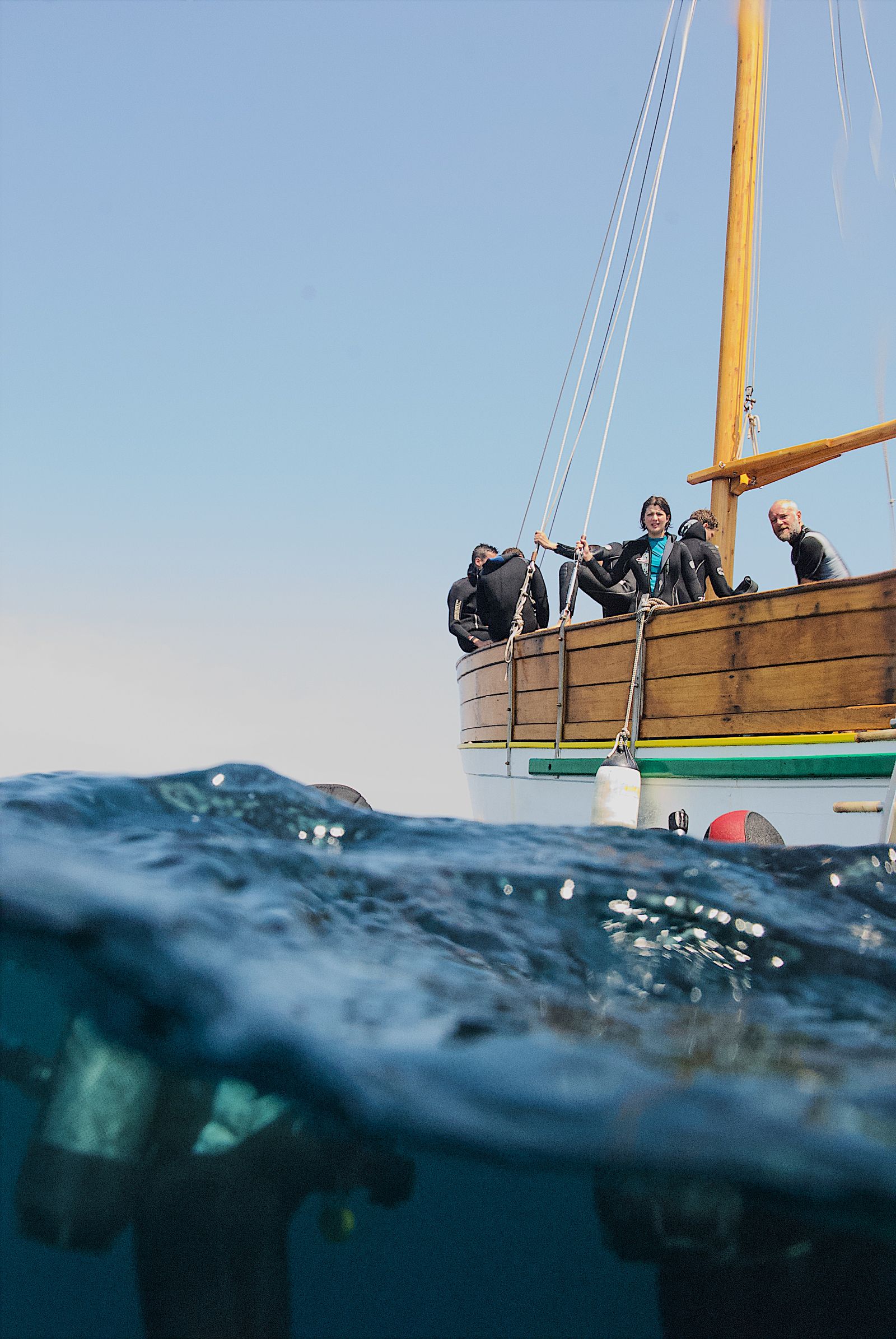
Direct answer: AI reception helps dive centers manage last-minute boat-trip demand by capturing every phone, WhatsApp, email, and website inquiry in the CRM, matching divers to available seats, collecting rental and certification details, and escalating safety-sensitive questions to trained staff. For a busy dive center, that means fewer empty boat spaces, less front-desk chaos, and a clearer waitlist when weather, cancellations, or group changes affect the schedule.
Boat seats are perishable inventory. When the boat leaves the dock, an empty seat cannot be sold later. At the same time, filling that seat badly can create real operational problems: the wrong certification level, missing equipment sizes, unclear pickup details, unpaid deposits, or a guest who needs instructor review before they can join the trip. A dive center needs speed, but it also needs structure.
MOLA for Dive Center is built around that practical operating gap. Its AI Reception Suite, missed-call recovery, CRM pipeline, follow-up workflows, review support, database reactivation, and guided setup help dive shops and scuba schools respond faster without turning safety or guest care into guesswork. The AI receptionist supports the team; it does not replace the dive professional.
Why Last-Minute Dive Trip Demand Needs a System
Travel and tourism demand remains strong, but the way guests discover and book activities is faster and more fragmented. The World Travel & Tourism Council forecast in May 2026 expects travel and tourism to keep outpacing wider economic growth and highlights digital innovation, AI, and operational efficiency as important forces in the sector. For dive centers, this shows up as more inquiries across more channels, often close to the desired dive date.
PADI's recent guidance on digital distribution makes the same point for dive businesses. In its July 2026 article, PADI Pros notes that travelers now discover activities through search, maps, marketplaces, short-form content, and AI-assisted trip planning. It also cites travel-experience research showing online channels growing sharply as a share of experience bookings. That creates opportunity, but it also creates pressure: if a certified diver asks about tomorrow morning's reef dive and receives no reply, the booking can move somewhere else.
The answer is not simply "reply faster." A fast reply with no CRM record can still fail. The guest may need a rental BCD, a refresher suggestion, a pickup time, a buddy arrangement, or confirmation that their certification matches the planned dive. AI reception becomes valuable when it turns the inquiry into organized operational data.
What AI Reception Should Capture Before a Seat Is Filled
A last-minute booking is only useful if the diver is the right fit for the trip. The AI receptionist should collect the basics first: preferred date, number of divers, certification level, last dive date, language, rental needs, equipment sizes, transport or hotel pickup area, contact preference, and whether the diver is flexible on time or site. It should also ask whether the guest is booking for themselves, a family, or a mixed-experience group.
For a scuba school, the same process helps distinguish a fun dive request from a refresher need or a course opportunity. A guest who says they have not dived in several years may be better suited to a refresher before joining a boat trip. A parent asking about a teenager may need age, prerequisite, and medical-form guidance. A travel diver asking about a deeper site may need staff review. The system should not force all inquiries into one generic booking path.
Customer service leaders are under pressure to implement AI. Gartner reported in February 2026 that 91% of customer service and support leaders felt executive pressure to implement AI, while also stressing that AI and human expertise need to work together. That is the right lens for dive centers: automate the repeatable intake and follow-up, but preserve human judgment for safety, training, complaints, and exceptions.
How This Helps Fill Boats Without Adding Admin Work
1. Missed-call recovery becomes booking recovery
If the team misses a call while preparing tanks or briefing students, AI reception can respond immediately, capture the trip request, and create a CRM opportunity. Instead of a voicemail that gets checked too late, the dive center sees a qualified lead with the desired date and next action.
2. Waitlists become usable instead of informal
Many dive centers keep waitlists in a manager's phone, a paper note, or a WhatsApp message. That works until the weather changes, a group cancels, or two people need rental gear in sizes the shop does not have ready. A CRM waitlist can sort by date, flexibility, certification level, group size, rental needs, and urgency. The AI receptionist can send approved updates and ask whether the guest can move to an alternate departure.
3. Group changes are easier to absorb
A group booking is rarely static. One guest adds a friend, another needs rental gear, someone asks about pickup, and a certified diver wants to join a non-certified family member. AI reception can keep those details attached to the group record so the instructor team does not rebuild the whole story from scattered messages.
4. Course and trip pipelines stay connected
Last-minute trip demand often reveals future course demand. A Discover Scuba guest may become an Open Water lead. A certified diver may ask about Nitrox. A local diver may be ready for Rescue Diver or a specialty weekend. MOLA can help the center keep those signals visible instead of losing them after the trip is filled.
Safety and Human Escalation Are Part of the Workflow
Diving is different from ordinary appointment scheduling. Medical screening, environmental conditions, certification limits, equipment readiness, and instructor judgment matter. Divers Alert Network describes its safety and prevention work across injury prevention, diver safety, dive operation safety, and chamber safety. That is a reminder that a dive center's AI receptionist should not improvise safety guidance or clear a guest to dive.
The better rule is simple: AI collects context and escalates. If a guest mentions a medical condition, ear problems, medication, anxiety, a long break from diving, equipment malfunction, difficult currents, depth concerns, or an unusual certification history, the system should flag the record for trained staff. The customer still gets a timely response, but the decision stays where it belongs.
A Practical Launch Checklist
Start by mapping the top ten trip questions your team answers every week: tomorrow's availability, certification requirements, rental equipment, pickup, prices, private trips, weather, cancellation policy, what to bring, and whether a guest needs a refresher. Write approved answers for routine logistics and decide which answers should include a link, booking prompt, or staff task.
Next, define CRM stages that match how the dive center actually works. A simple boat-trip pipeline could be New Trip Inquiry, Qualified, Seat Offered, Payment Pending, Booked, Waitlisted, Staff Review, Completed, Review Requested, and Repeat Opportunity. That is enough structure for visibility without creating admin work that the team will ignore.
Then set the escalation rules. Medical and safety questions go to trained staff. Weather, current, depth, equipment issues, certification edge cases, and complaints should be flagged. Group bookings above a certain size may need manager review. Private-charter requests may need a human quote. The system should make these rules obvious and consistent.
Finally, review the waitlist daily during busy periods. Which guests are flexible? Which groups have high value but missing details? Which rental requests require preparation? Which inquiries have not received a second touch? AI reception can keep the records clean, but the owner or manager still needs a short operating rhythm to turn that visibility into bookings.
How MOLA Fits the Dive Center Workflow
MOLA for Dive Center combines AI reception, missed-call response, CRM visibility, booking support, automated follow-up, review generation, and database reactivation in one practical system for dive operations. For last-minute boat trips, that means your team can capture more inquiries, qualify guests faster, keep waitlists organized, and protect human escalation for the conversations that need judgment.
If your dive center loses bookings because calls are missed, WhatsApp threads are scattered, or last-minute waitlists are hard to manage, see how MOLA for Dive Center can help you respond faster and organize your trip pipeline.
FAQ: AI Reception for Dive Trip Waitlists
What is AI reception for dive trip waitlists?
AI reception for dive trip waitlists is an AI-assisted front desk workflow that captures incoming trip requests, collects booking details, updates the CRM, and helps staff offer seats or waitlist options quickly.
Can AI reception fill empty boat seats automatically?
It can support the process by replying quickly, collecting details, and sending approved booking prompts. Final confirmation should still follow the dive center's rules for certification, payment, equipment, and staff review.
What details should a dive center collect for last-minute bookings?
Useful details include preferred date, number of divers, certification level, last dive date, rental sizes, language, pickup needs, contact preference, payment status, and any safety-sensitive concerns.
How does this help a small dive shop?
Small dive shops often have the same people teaching, guiding, loading gear, and answering customers. AI reception reduces routine admin and makes every inquiry visible in the CRM.
Should AI answer scuba safety questions?
AI should collect context and share approved operational information, but medical, safety, equipment, weather, current, and certification-edge questions should be escalated to trained dive staff.
How does MOLA connect waitlists to CRM follow-up?
MOLA helps capture the inquiry, tag the guest, place the opportunity in the right pipeline stage, trigger reminders, and keep future course, trip, review, or repeat-booking opportunities visible.
