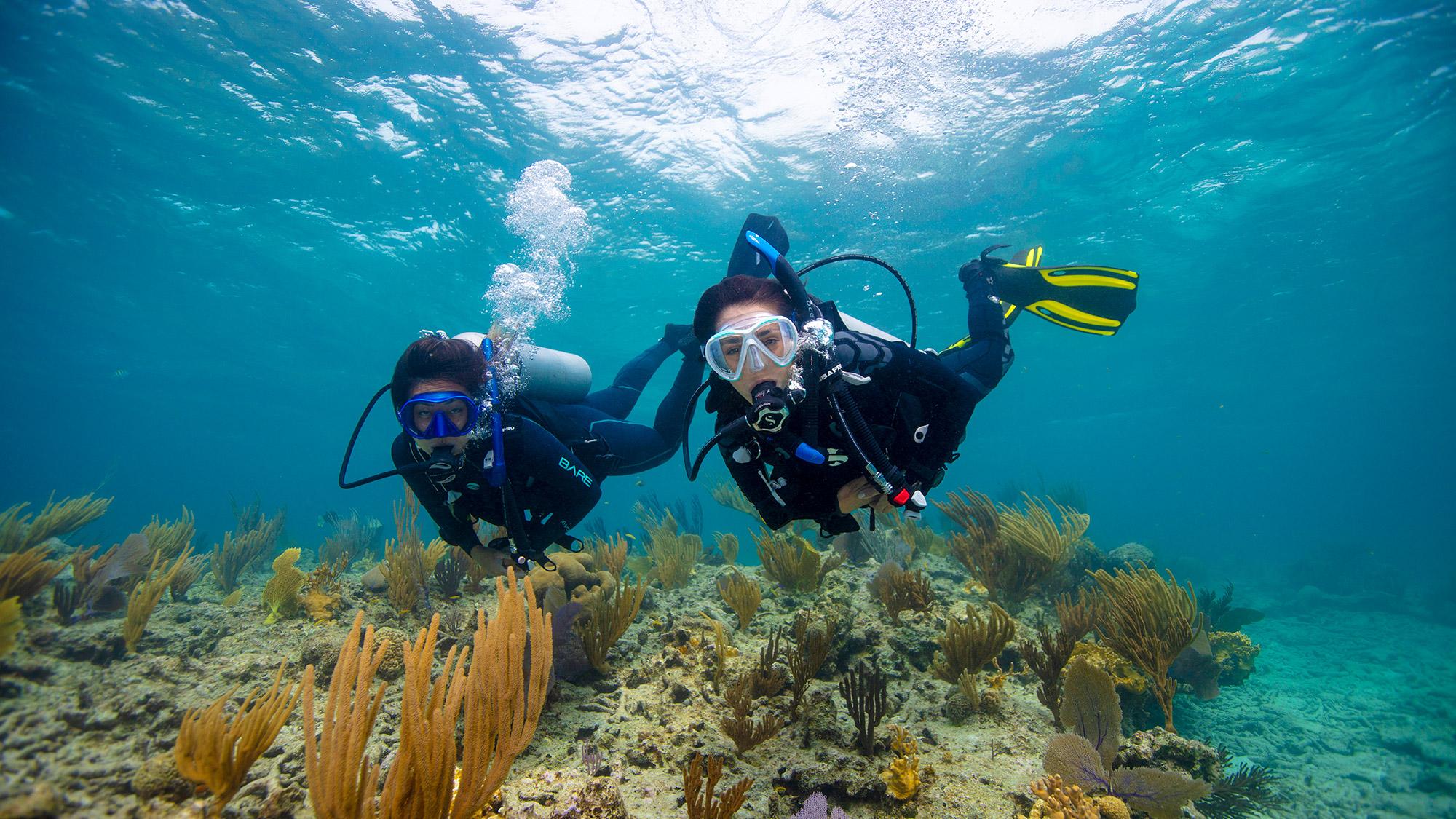
Direct answer: AI reception helps a dive center turn a completed Open Water course into a useful next conversation by recording what the diver enjoyed, collecting timing and interest, and assigning a clear staff follow-up. It should never recommend a course as suitable or clear a diver for a dive. Medical, safety, certification, weather, site and personal-suitability decisions stay with trained staff.
Many new divers leave a course excited, proud and ready to keep going. Then the center gets busy. Instructors move to the next class, the front desk answers boat-trip calls, WhatsApp messages pile up, and the new certification becomes an old contact record. No one did anything wrong. The next step simply had no owner.
That is costly because the best time to earn a second booking is while the first experience is still fresh. A local diver may be interested in a weekend fun dive. A travel diver may want a specialty course on a return visit. A family may need an answer in another language. A newly certified guest might need rental information, a refresher later in the season, or a staff conversation about which experience is appropriate. These are different needs, but they all start with a clean handoff.
MOLA for Dive Center connects AI reception, missed-call recovery, unified messages, CRM follow-up and practical booking support so that the next contact is visible to the right person. The aim is not automatic selling. It is making sure an interested diver receives a useful, timely and human next step.
Why the post-course moment deserves a CRM stage
Most dive centers already have the raw signals. The instructor knows whether a student loved buoyancy practice, asked about wrecks, enjoyed the boat day, or mentioned returning next summer. The guest may have asked by email about Advanced Open Water, by phone about a night dive, or in WhatsApp about equipment rental. The problem is that those signals sit in separate places and disappear after a hectic day.
A simple CRM stage called Newly Certified: Next Experience gives the team a shared place to act. It should not pretend to be a safety decision. It should record what the guest has actually said, the preferred language and reply channel, the travel dates if known, and the next owner. The staff member can then decide what is appropriate to discuss.
What AI reception can collect without crossing the line
AI reception works best when its job is specific. It can thank the guest, answer approved routine questions, and ask whether they want information about a future fun dive, a specialty course, equipment rental, or a return visit. It can capture dates, group size, language, contact preference, the certification the guest says they hold, the date of the last dive when relevant, and whether they want a staff callback.
For example, a guest messages at 22:30: “We finished Open Water today. Can my partner and I do a deep dive on Friday?” The right AI response is not a yes. It can thank them, capture the dates, names, stated certifications, last-dive details, language and preferred reply channel, and route the request to a qualified member of the team. The human team decides what the guests can do, which conditions apply and whether the plan is suitable.
This boundary follows the logic in DAN's dive-operator customer safety guidance: expectations, qualifications, experience, fitness and site-specific risk require systematic attention. In practice, an AI receptionist can make that staff review faster by presenting the facts in one record. It must not replace it.
Turn discovery into an approved next action
There is also a business-development reason to get the handoff right. PADI explains that its Adventures listings can appear across Google Search, Maps, Travel and a dive center's Google Business Profile, directing guests to an online booking page. Its Google Things to Do update is a reminder that divers often discover an experience before they ever call the shop.
That makes quick follow-up part of the product. A person who finds a specialty course online may later call from a hotel, reply to an email, or send a WhatsApp question while standing at the marina. The center should recognize the person and their stated interest without forcing them to restart the conversation. A CRM record with source, language, conversation history and next action makes that possible.
Use a sequence, not a generic sales blast
The useful follow-up is small and relevant. On the day of certification, send a thank-you and an approved next step. A few days later, ask whether the guest wants a staff member to send details for a future activity. If the guest is travelling, schedule a check-in closer to their stated dates. If they are local, invite them to an approved community, fun-dive or course calendar. Every message should be tied to real interest, respect the chosen channel and stop when the guest is not interested.
For a dive center, this is more valuable than a single campaign sent to every past contact. It gives managers a view of which products create real interest, which channels bring qualified leads, which language coverage is needed, and where staff follow-up stalls. It also helps protect instructor time: the instructor receives a short briefing rather than hunting across a phone log, a WhatsApp thread and an inbox.
The workflow changes with seasonality. During high season, the priority may be fast acknowledgement and a next-day staff task. During a quieter period, the team can review completed courses and offer relevant future dates. In both cases, the rule is the same: automation handles routine collection and routing, while people handle advice, exceptions and judgment.
Build the handoff before switching on automation
Start with a short list of approved routine replies, the questions that create a CRM task, the named people who receive those tasks and a simple escalation rule. Review a week of real conversations. Look for missed calls, unassigned WhatsApp messages, travel dates with no callback, new certifications with no next action and questions that should have gone to an instructor or manager earlier.
Then measure the basics: first-response time, number of qualified course and trip inquiries, staff-owned tasks completed, repeat booking conversations and leads waiting too long. These are operational measures, not promises that an AI system will create revenue by itself. They show whether the center is responding consistently to the opportunity it already has.
If your dive center wants one clear place for AI-assisted reception, CRM follow-up, booking support and human handoffs, book a MOLA for Dive Center demo. You can see how the system handles routine contact while your team keeps responsibility for safety, advice and the relationship.
FAQ: AI Reception and Dive Center Specialty Follow-Up
Can AI recommend a specialty course to a newly certified diver?
It can record interest and share approved general information, but trained staff should decide whether a course, trip or progression is suitable for the individual diver.
What should a CRM record after Open Water certification?
Record factual details such as contact preference, language, stated interests, known dates, source channel, next action and task owner. Safety, medical and eligibility concerns should be clearly flagged for staff.
How quickly should a dive center follow up after a course?
A timely thank-you and a clear next step are useful while the experience is fresh. The appropriate cadence depends on the diver's stated interest, travel dates and communication preference.
Can AI reception handle WhatsApp, email and phone follow-up?
It can capture and organize the conversation across approved channels, create tasks and send approved routine messages. The team should own exceptions and personal advice.
Does post-course automation replace instructors?
No. It reduces repetitive administration and preserves context. Instructors and trained staff retain responsibility for instruction, safety, standards and suitability decisions.
