A dive center does not need to lose a booking when a travel diver's flight changes. AI reception can capture the new facts, keep the guest informed, create the right staff task, and protect boat capacity without promising a refund, a seat, a safe dive, or a weather outcome. That is the useful role: turn an anxious WhatsApp message, missed call, or email into a clear human-owned next step before it becomes a silent no-show.
It happens on busy weeks. A couple booked two boat dives but their inbound flight is delayed. A local diver is already on the roster and asks whether a friend can take the place. A course student has a hotel change and cannot make the pool session. The shop phone rings while tanks are loaded. An email arrives after closing. Someone sends a short WhatsApp: “We land tomorrow afternoon. Can we move our dive?”
None of those messages is a simple calendar edit. A change can affect a boat manifest, rental preparation, instructor allocation, course progression, deposits, cancellation terms and a potential opening for another customer. The immediate business problem is communication. The operational and safety decisions must remain with trained people.
Travel disruption is a CRM moment, not an inbox problem
Travelers now discover and book diving across search, maps, marketplaces, websites and phones. PADI's 2026 guidance on digital distribution makes the point clearly: a product needs understandable requirements, availability and a short path to booking. Its discussion of instant confirmation and advance guest details is helpful, but it also raises a practical question for every operator: what happens when an already-confirmed plan changes?
When the answer lives only in the last staff member's chat history, the result is friction. One person may promise to “check.” Another may prepare gear for a guest who cannot arrive. A traveler might hear nothing and assume the whole trip is lost. A small center loses both revenue and trust, even though the customer tried to communicate.
A shared CRM record creates a different outcome. It identifies the booking, activity, original date, party size, preferred language, channel and stated reason for the change. It records whether the guest is asking for a callback, a different date, a cancellation-policy explanation, a course reschedule or a transfer request. It then assigns a named staff owner and leaves the decision in the right place.
What an AI receptionist can safely do first
The first reply should be short, calm and useful. It can acknowledge the travel problem, thank the guest for notifying the center, confirm that a team member will review the request, and ask only for the approved details needed to find the record. For example: booking reference, booked activity, original date, number of people, estimated arrival time, preferred contact method and the exact change requested.
It can also provide staff-approved logistics. If the center has a published check-in policy, meeting point, current contact route and general cancellation terms, the AI can point to those materials. It can log the channel and language. That matters for international divers who may be using a second language while dealing with an airline problem. It also matters for the staff member taking over: nobody should make the guest repeat the story.
What it must not do is more important. It must not say a boat seat is available until the responsible team member confirms it. It must not approve a diver for a different site, accept a certification claim, interpret a medical disclosure, judge conditions, override policy, promise a refund, or settle a complaint. DAN's operator guidance is a good reminder that sites differ in depth, current, temperature, visibility and other risks, and that operators need consistent screening for training, certification, experience, language comprehension and fitness. Those are human professional decisions, not automation outputs.
Build one recovery workflow for five common scenarios
1. Flight delay before a boat trip
AI reception captures the original booking and revised arrival estimate, labels the request “travel disruption,” and alerts the trip owner. The owner checks the manifest, local schedule, weather and site plan, then offers only the options that are actually possible. The CRM logs the decision so the morning team is not left guessing.
2. A course learner misses part of the schedule
For a Discover Scuba experience, Open Water course or specialty, the system can collect the missed session and preferred alternatives. It should never state that a course element can be skipped, transferred or completed later. The instructor or training manager determines how a learner can continue within the appropriate standards and the center's real calendar.
3. A local diver wants to use an unexpected opening
A local customer may see a last-minute space in a message or call after hours. The AI can record interest and flag the relevant trip. The team decides whether the diver meets the trip's requirements, whether gear is available and whether the place is genuinely open. A fast acknowledgement is valuable; a false promise is expensive.
4. Rental or pickup plans are disrupted
For equipment rental, pickup timing and transfers, a reception workflow can save the new logistics and notify the responsible team member. It does not decide that equipment is suitable, reassign a vehicle, or guarantee a late arrival can be accommodated. It makes the necessary decision visible in time.
5. A cancellation creates a new lead opportunity
Once staff confirm a cancellation or transfer, the CRM can show a released capacity signal. The center can then contact an approved, opted-in waitlist or a local diver who previously asked about that day. The message should be factual: an opening may be available and the team will confirm eligibility. It should not pressure travelers, ignore consent, or bypass safety checks to fill a seat.
Measure recovery without treating guests like numbers
A simple weekly review makes the workflow better. Track the number of disruption messages, time to human acknowledgement, requests resolved, bookings transferred, released places filled, and cases that needed policy or safety review. Read a few conversation summaries, too. If guests repeatedly ask the same arrival or pickup question, the issue may be unclear pre-arrival information, not poor follow-up.
This is where a connected front desk earns its place. MOLA for Dive Center's features and benefits describe a practical system for lead capture, communication, CRM visibility, booking support and follow-up. The best configuration is not an AI that tries to solve every exception. It is one that makes routine communication faster and makes the staff decision obvious when the stakes change.
For a dive center, a well-handled flight delay can still become a relaxed holiday dive, a rebooked course, a future local-diver relationship or an opening filled with proper notice. Start with one workflow, one named owner, approved wording, and a firm rule: qualified people own medical, safety, weather, certification, suitability, complaint, refund and exception decisions.
If you want to map a safety-aware reception and CRM handoff for your own dive center, start a MOLA for Dive Center conversation here.
Frequently asked questions
Can AI reception rebook a dive after a flight delay?
It can collect the request, identify the booking and send approved information. A trained staff member must confirm any change because availability, site conditions, certification, safety and policy may be involved.
What should be saved in the CRM when a guest's plans change?
Save the booking reference, activity, original date, party size, new travel timing, requested outcome, channel, language, assigned staff owner and the final human decision.
Can an AI receptionist decide whether a diver can join another boat trip?
No. It must route that decision to qualified staff who can assess current availability, requirements, certification, experience, conditions and suitability.
How can a center fill a released place responsibly?
After staff confirm the release, contact only approved and consented prospects with a factual invitation. Confirm eligibility and booking details before promising the place.
Does this workflow help local divers as well as travelers?
Yes. Travelers often need disruption recovery, while local divers may benefit from timely staff-reviewed opportunities. Both need accurate context and a human decision for exceptions.
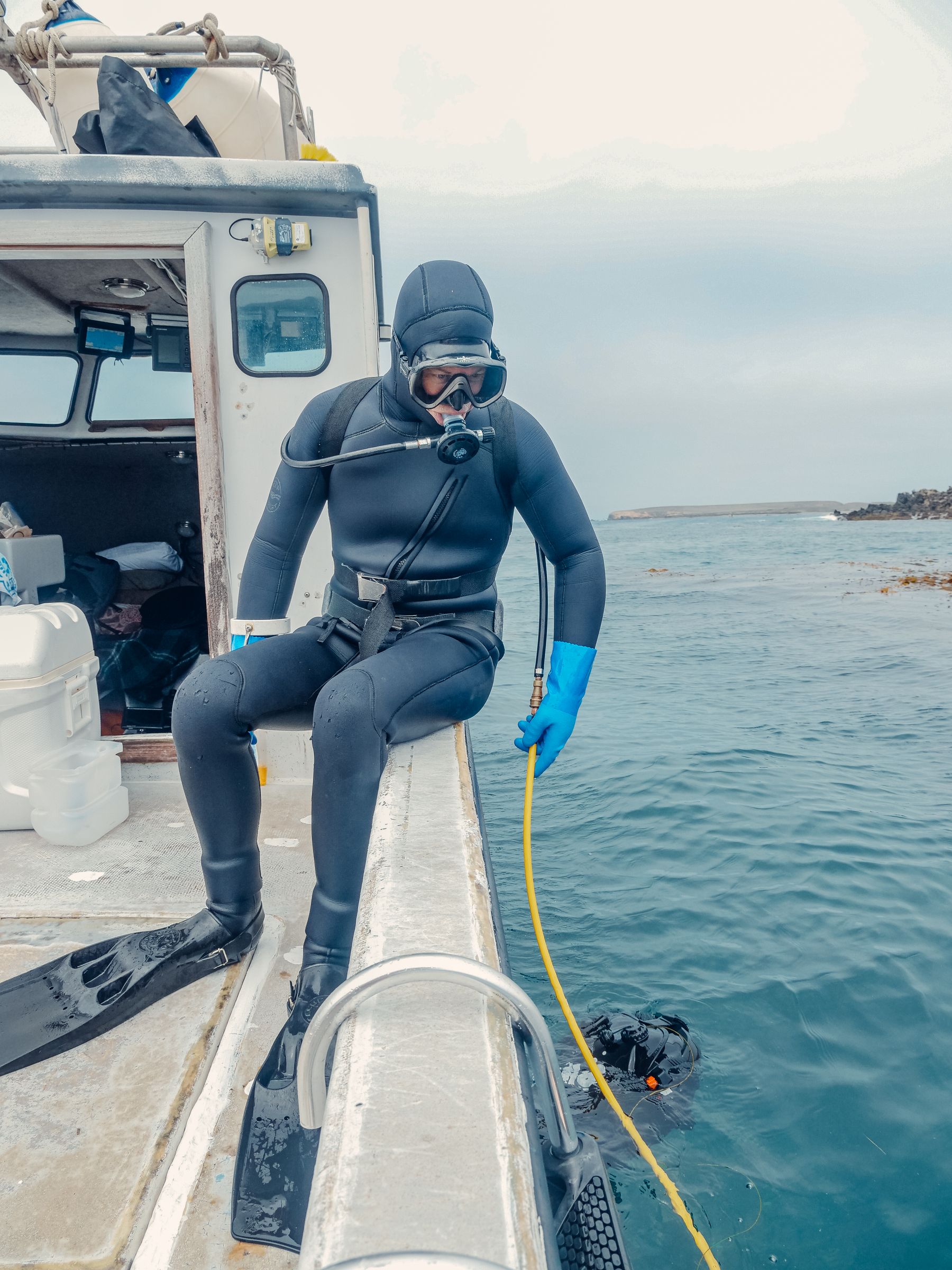
Feature image: a diver preparing on a boat, via Pexels.
