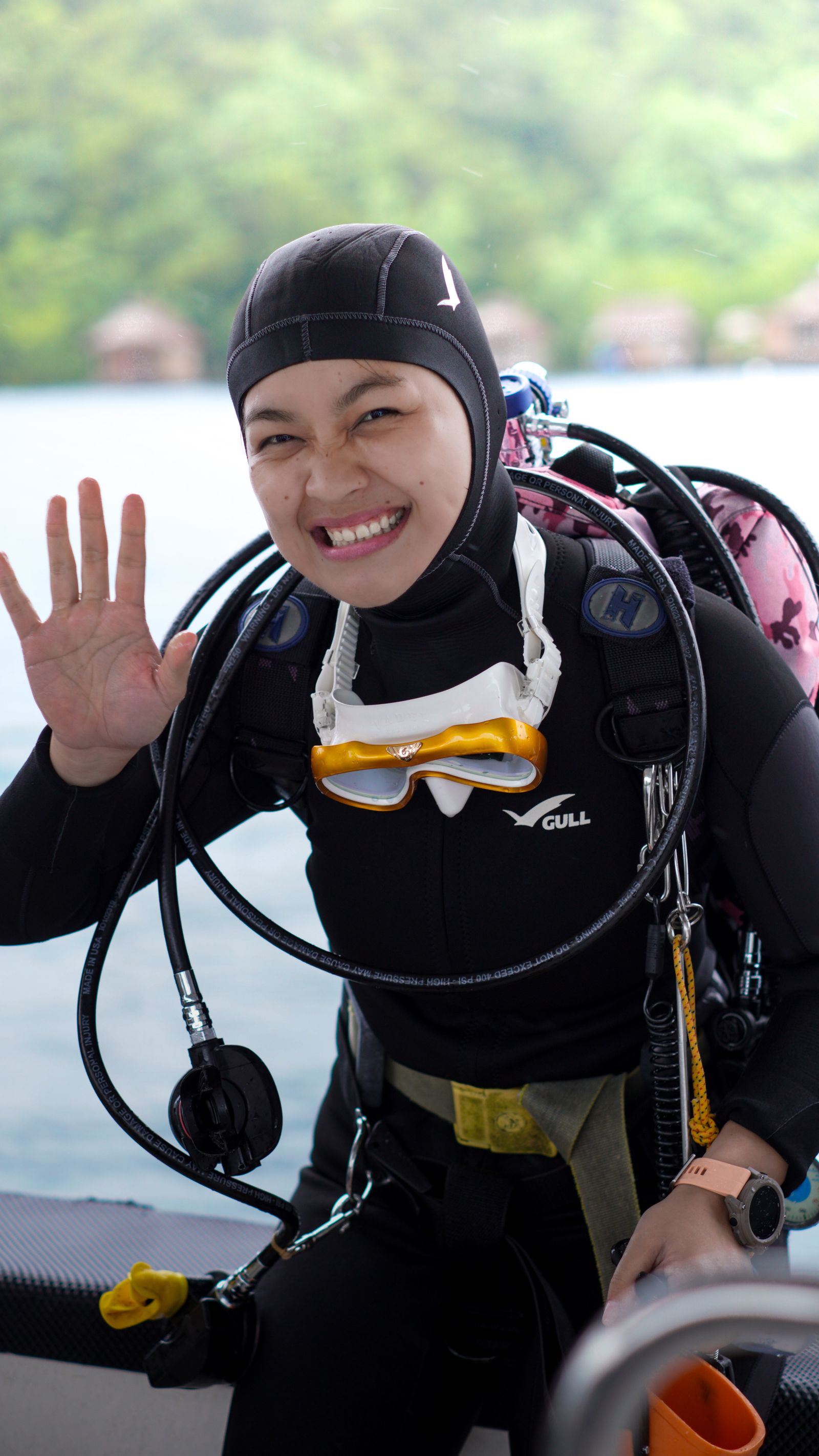
Direct answer: AI reception helps dive centers turn try-dive and beginner inquiries into a clear certification pipeline by replying quickly, collecting the right details, recording each guest in the dive center CRM, triggering follow-up, and escalating safety-sensitive questions to trained dive staff. For a scuba school, the value is not only faster answers. It is a more visible path from first curiosity to Discover Scuba Diving, Open Water Diver, continuing education, fun dives, and repeat bookings.
Many future certified divers start with a small question. "Can I try scuba tomorrow?" "Is it safe if I am nervous?" "Can my teenager join?" "Do you teach in German?" "How long does Open Water take during my holiday?" If the dive shop is on the boat, teaching confined water, filling tanks, or handling check-in, that inquiry can wait too long. By the time someone replies, the guest may have booked another activity or chosen a different dive center.
MOLA for Dive Center is built around this operational gap. It supports AI reception, missed-call recovery, unified communications, CRM organization, booking support, automated follow-up, review workflows, database reactivation, and guided setup for dive centers. Used properly, the AI receptionist becomes the front-desk layer that captures course demand while the instructor team keeps ownership of teaching, safety, standards, and final suitability decisions.
Why Beginner Demand Needs a Pipeline
Beginner inquiries are valuable because they can become more than a single activity. A travel guest may begin with a try dive, complete an Open Water course later, return for Advanced Open Water, bring friends, buy equipment, write a review, or join future boat trips. A local customer may become part of the dive center community for years. But that only happens when the first conversation is captured and followed up.
PADI's 2026 guidance on digital distribution for dive businesses explains that travelers now discover activities through maps, marketplaces, search, video, mobile channels, and AI-assisted trip planning. It also notes that experiences are becoming a larger reason people choose destinations, while online booking channels continue to grow. For dive centers, this means beginner interest can arrive from many places at any hour.
The challenge is that a course lead is rarely ready in one step. The guest may need language options, schedule clarity, medical forms, age guidance, e-learning instructions, payment steps, transport information, and reassurance from a real instructor. AI reception for dive centers should organize that process so the human team can focus where judgment matters.
Customers Now Expect Service to Help Them Act
The wider service market supports this shift. Gartner's July 2026 customer service research found that customers increasingly use GenAI to complete tasks, not just collect answers, and still expect a human option when AI is used. Salesforce's 2026 AI service agent research reported that AI service-agent adoption grew strongly and that customer satisfaction was the top improved KPI reported after deployment.
For a scuba school, that means the AI receptionist should not stop at "Here are our course options." It should help the guest move one practical step forward. For Discover Scuba Diving, it can ask preferred date, number of participants, age range, swimming comfort, language, hotel or transport area, and whether the guest has any medical or anxiety concerns that staff should review. For Open Water, it can collect available days, e-learning needs, prior experience, family or group details, and contact preference.
The best systems make the next action obvious. A routine question can receive an approved answer. A booking-ready lead can receive the right link or staff callback task. A safety-sensitive issue can be escalated with context instead of being handled casually inside a chat thread.
CRM Data Turns Course Interest Into Business Development
AI adoption among small businesses is also becoming more practical. JPMorganChase Institute's 2026 report on AI use by small businesses tracks actual payments to AI services and describes how small firms are adopting AI across real operating needs. The lesson for dive centers is simple: AI is more useful when it is connected to workflows, data, and decisions rather than treated as a side tool.
A dive center course pipeline should show the manager which beginner leads are new, which have dates, which need staff review, which received a booking link, which paid a deposit, which are waiting for forms, and which completed the experience. It should also show source channels: hotel referral, Google, website chat, WhatsApp, phone, Instagram, PADI listing, travel agent, past guest, or walk-in.
This visibility supports real business development. If many try-dive guests ask about Open Water but do not convert, the follow-up sequence may need work. If German-speaking families are asking after hours, the dive center may need multilingual response coverage. If local divers complete Open Water but never hear about Advanced, specialty courses, or weekend fun dives, the CRM is showing a repeat-customer gap.
Keep Safety and Standards With Humans
AI reception must have limits. Diving is not a generic appointment. Medical declarations, recent illness, ear problems, panic, medication, pregnancy, junior diver questions, weather, currents, deep dive requests, equipment problems, certification prerequisites, and local site suitability require trained staff judgment. The AI receptionist can collect context, acknowledge the concern, and create a task. It should not clear a person to dive or make standards decisions.
This safeguard protects the guest and the dive center. It also makes the AI more trustworthy because staff can see what was asked, what was answered, and why the conversation was escalated.
How MOLA Supports the Course Pipeline
MOLA helps a dive center connect the first inquiry to the next operational step. A missed phone call can trigger a response. A WhatsApp message can become a CRM record. A website chat can capture course interest and language. A booking-ready lead can move into the right pipeline. A completed try dive can trigger a review request and an Open Water follow-up. A safety-sensitive question can be handed to staff with context.
The system should be configured around the dive center's real products: Discover Scuba Diving, Open Water, Advanced Open Water, specialty courses, refreshers, guided fun dives, equipment rental, group bookings, and referral partners. The goal is not to make the dive center robotic. The goal is to stop valuable beginner interest from disappearing between channels, shifts, and busy boat days.
If your scuba school receives course inquiries through phone, WhatsApp, email, website chat, forms, social messages, and travel partners, book a MOLA for Dive Center demo. See how AI-assisted reception can capture beginner demand, organize the CRM course pipeline, support booking follow-up, and keep instructor judgment where it belongs.
FAQ: AI Reception for Dive Center Course Pipelines
What is a dive center course pipeline?
It is a CRM workflow that tracks beginner and certification inquiries from first contact through qualification, staff review, booking, course completion, review request, and next-course follow-up.
How does AI reception help convert try dives into certifications?
It replies quickly, captures guest details, records interest in the CRM, triggers follow-up after the try dive, and reminds staff to offer a suitable Open Water or continuing-education next step.
Can an AI receptionist answer course safety questions?
It can collect context and explain the handoff process, but medical, suitability, standards, weather, and site-specific safety questions should go to trained dive staff.
Which CRM fields matter for scuba course inquiries?
Useful fields include course interest, preferred dates, age, language, swimming comfort, prior experience, medical or confidence flags, source channel, stage, next action, and assigned staff member.
Does AI reception replace the scuba instructor team?
No. It supports the team by handling routine intake, reminders, and follow-up while instructors keep responsibility for teaching, safety decisions, standards, and personal guidance.
